
The short version is that influence shapes trust, while persuasion moves a specific decision
- Influence is broader: it grows through credibility, consistency, relationships, and the way others experience your judgement.
- Persuasion is narrower: it is the direct attempt to get someone to agree, change course, or take action.
- In workplace communication, influence usually happens before and after the ask; persuasion happens at the moment you need a yes.
- The strongest communicators use both, but they do not treat them as the same skill.
- If trust is low, persuasion feels pushy. If clarity is low, influence feels vague.
What influence means in the workplace
I usually treat influence as the wider field of trust around a person, not just the result of one conversation. It is the ability to shape how others interpret a problem, which options they consider, and how seriously they take your judgement, even when you are not in the room.
That is why influence is built over time. A colleague who gives clear updates, flags risk early, and gives credit to others starts to carry more weight than someone who only speaks up when they need something. In a UK workplace, that might look like a project lead whose emails are concise and dependable, or a line manager whose feedback is steady enough that people do not brace themselves when they walk into a meeting.
- People ask for your view before decisions are made.
- Your recommendations are quoted by others after the meeting.
- Colleagues trust your judgement because your past calls have been accurate.
- You can calm a tense discussion without dominating it.
None of that requires force. It requires enough credibility that your voice carries weight, and that sets up the moment when persuasion becomes useful rather than premature. Once that foundation exists, the differences between the two become much easier to see.

How influence differs from persuasion in day-to-day communication
| Area | Influence | Persuasion |
|---|---|---|
| Purpose | Shapes the context around a decision and the way people think about it. | Asks for a specific change in opinion, behaviour, or approval. |
| Timing | Starts before the ask and continues after it. | Happens at the point where you need agreement or action. |
| Tone | Often indirect, steady, and relationship-based. | More explicit, structured, and argument-driven. |
| What people notice | Judgement, reliability, presence, and how you handle complexity. | Evidence, reasoning, relevance, and the strength of the request. |
| Typical outcome | People listen earlier and more openly. | People decide, commit, or move. |
| Risk when overdone | It can become vague or political. | It can feel pushy, defensive, or manipulative. |
I find the boundary easiest to remember this way: influence earns attention, while persuasion asks for action. A good manager may use influence all week through their behaviour and then use persuasion in one specific meeting when the team needs to accept a deadline shift or a process change. That distinction matters most when the decision is not simple, which is where the next question comes in: when should you lean on each one?
When each approach works best
In practice, I do not choose between influence and persuasion as if they were rival styles. I choose them based on the relationship, the size of the ask, and how much the other person already trusts the reasoning. If the room is cold, I start with influence. If the room is ready and the issue is clear, I move into persuasion.
| Situation | Better fit | Why it works |
|---|---|---|
| Building support for a new idea across several teams | Influence first | People need context, reassurance, and trust before they will back a change. |
| Asking for a deadline extension | Persuasion | The request is specific, time-sensitive, and needs a clear decision. |
| Giving feedback to a colleague | Influence first, then persuasion | You need receptiveness before the behaviour is likely to change. |
| Leading a process change | Both | Influence creates readiness, and persuasion secures adoption. |
| Presenting to senior leaders | Persuasion with influence prep | They need a concise case, but they will judge it through your credibility too. |
This is especially visible in hybrid teams, where a short call, a Teams message, or a brief email may be the only space you get to move someone. If the relationship is undeveloped, spend time on influence before you push for a yes. If the relationship already exists and the decision is now, make the persuasive ask cleanly and without padding.
How to build influence without sounding political
The fastest way to weaken influence is to make it look like manoeuvring. People in offices, especially cross-functional teams, are quick to detect when someone is trying to manage perception instead of solving a problem. I prefer a simpler approach: be useful, be consistent, and make other people’s work easier to trust.
- Make your work easy to read. Clear updates, clean summaries, and realistic timelines reduce friction. People trust what they can understand quickly.
- Learn what each stakeholder values. A stakeholder map is just a practical note on who matters in the decision and what each person cares about most, such as cost, speed, risk, or people impact.
- Keep small promises. If you say you will send a note by 3 p.m., send it by 3 p.m. Influence often grows from the accumulation of small proofs.
- Use calm, specific language. Vague confidence is less effective than a precise point backed by evidence. People notice both tone and substance.
- Give credit publicly. When others feel seen, they are more likely to support your judgement later. That is not soft politics; it is relationship capital.
One practical side effect of this approach is social proof, meaning people look at how others respond when deciding whether your view is worth following. If two respected colleagues consistently treat you as reliable, that signal spreads quietly through the organisation. Once that happens, your persuasion becomes easier because the audience already believes you are worth hearing.
How to persuade ethically when you need a decision
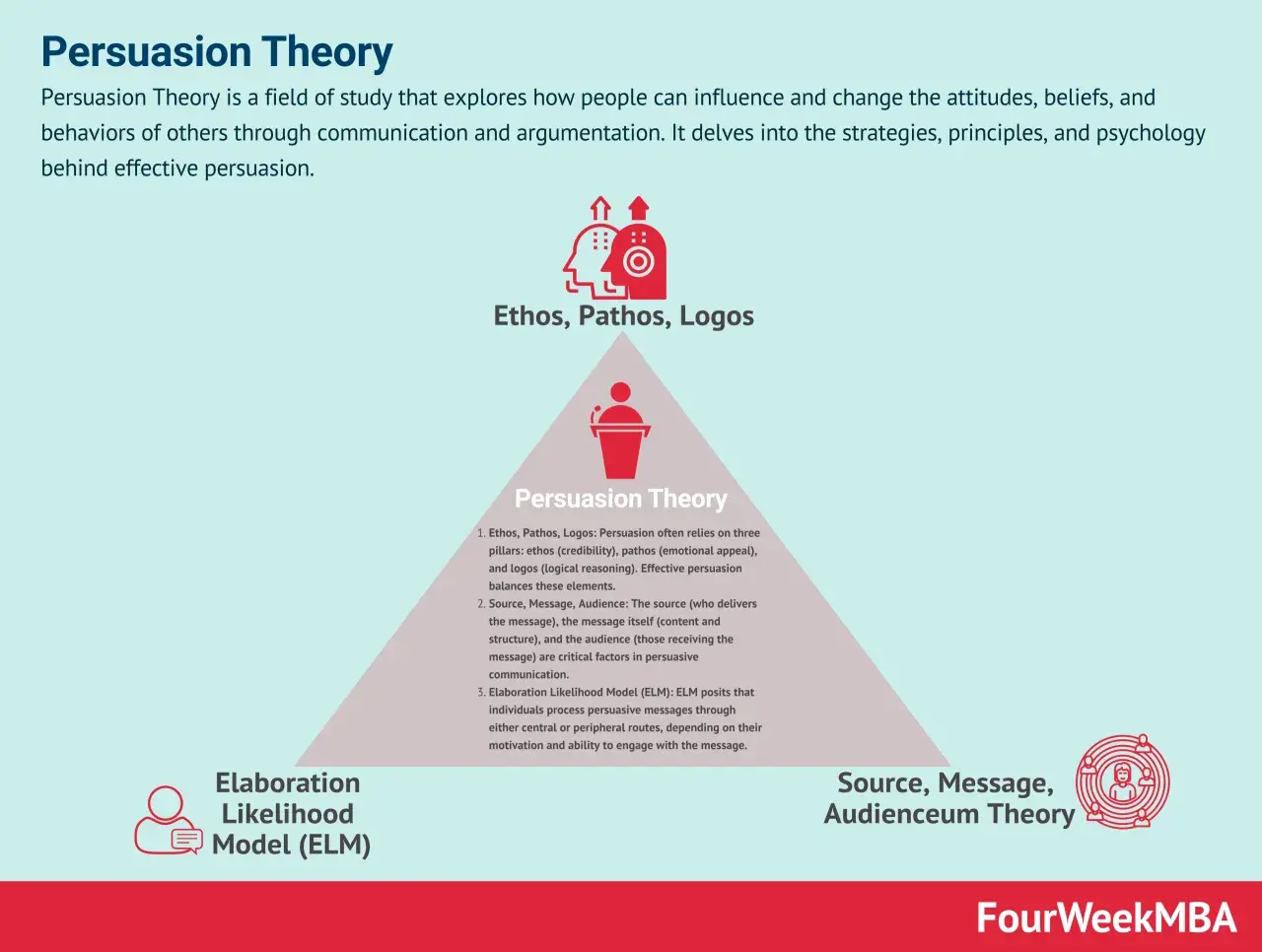
Persuasion works best when the ask is specific and the audience can see why it matters to them. When people already care about the topic, I rely on what psychologists call the central route to persuasion, which simply means they are more likely to be convinced by strong reasons, clear evidence, and a logical structure than by slogans or pressure.
- Lead with the ask. Say what you want clearly. Do not make people hunt for the point.
- Frame it in the audience’s language. A finance lead may care about cost; a team lead may care about capacity; a senior sponsor may care about risk and timing.
- Use a small number of strong reasons. Three relevant arguments beat eight weak ones. Too much data can blur the decision instead of clarifying it.
- State the trade-off honestly. If there is a downside, name it. Credibility rises when you are not pretending the choice is cost-free.
- Close with a concrete next step. Ask for approval, a trial, a meeting, or a deadline, not for general sympathy.
A simple example is often enough: instead of saying, “This will improve collaboration,” I would say, “If we move the review meeting to Tuesday, the sales team can include the latest figures and we will avoid rework later in the week.” That is not louder communication, just cleaner persuasion. The trap is to confuse a polished pitch with a trustworthy one, which is where the next section matters.
Common mistakes that blur the line
The most common mistake is assuming that authority and influence are the same thing. A title can create compliance, but it does not automatically create commitment. People may nod in the room and still ignore the decision later if they feel pushed, unheard, or unclear on why it matters.
- Using seniority instead of reasoning. “Because I said so” may end the conversation, but it does not build long-term buy-in.
- Trying to persuade before building trust. If people do not yet know how you think, the message can land as pressure.
- Talking too much. Long explanations can sound defensive, especially when the audience only needs the decision and the evidence.
- Confusing agreement with action. A polite yes is not the same as commitment. Follow-through is the real test.
- Ignoring the audience’s incentives. If your message does not connect to what the other person is measured on, it will feel abstract.
When communication fails here, the idea is not always the problem. Often the path is wrong: the trust is missing, the ask is vague, or the timing is off. Fixing those three things usually does more than polishing the wording ever will.
The practical test I use before a meeting
Before I walk into a meeting, I ask myself three questions. Do I need people to trust my judgement over time, do I need a clear yes right now, or do I need both? If the answer is trust, I work on influence. If the answer is a decision, I prepare persuasion. If the answer is both, I separate the two instead of mixing them into one muddy conversation.
- If the issue is new, sensitive, or complex, I slow down and build context first.
- If the proposal is ready, I make the ask early and keep the logic tight.
- If the room is sceptical, I reduce noise and focus on the most relevant evidence.
- If adoption matters more than agreement, I plan the follow-up, not just the pitch.
That is the cleanest way I know to handle workplace communication: use influence to create readiness, use persuasion to secure action, and never confuse the two just because both are aimed at moving people forward. When you get that balance right, your messages become clearer, your relationships stay stronger, and your decisions are easier to carry through.
