
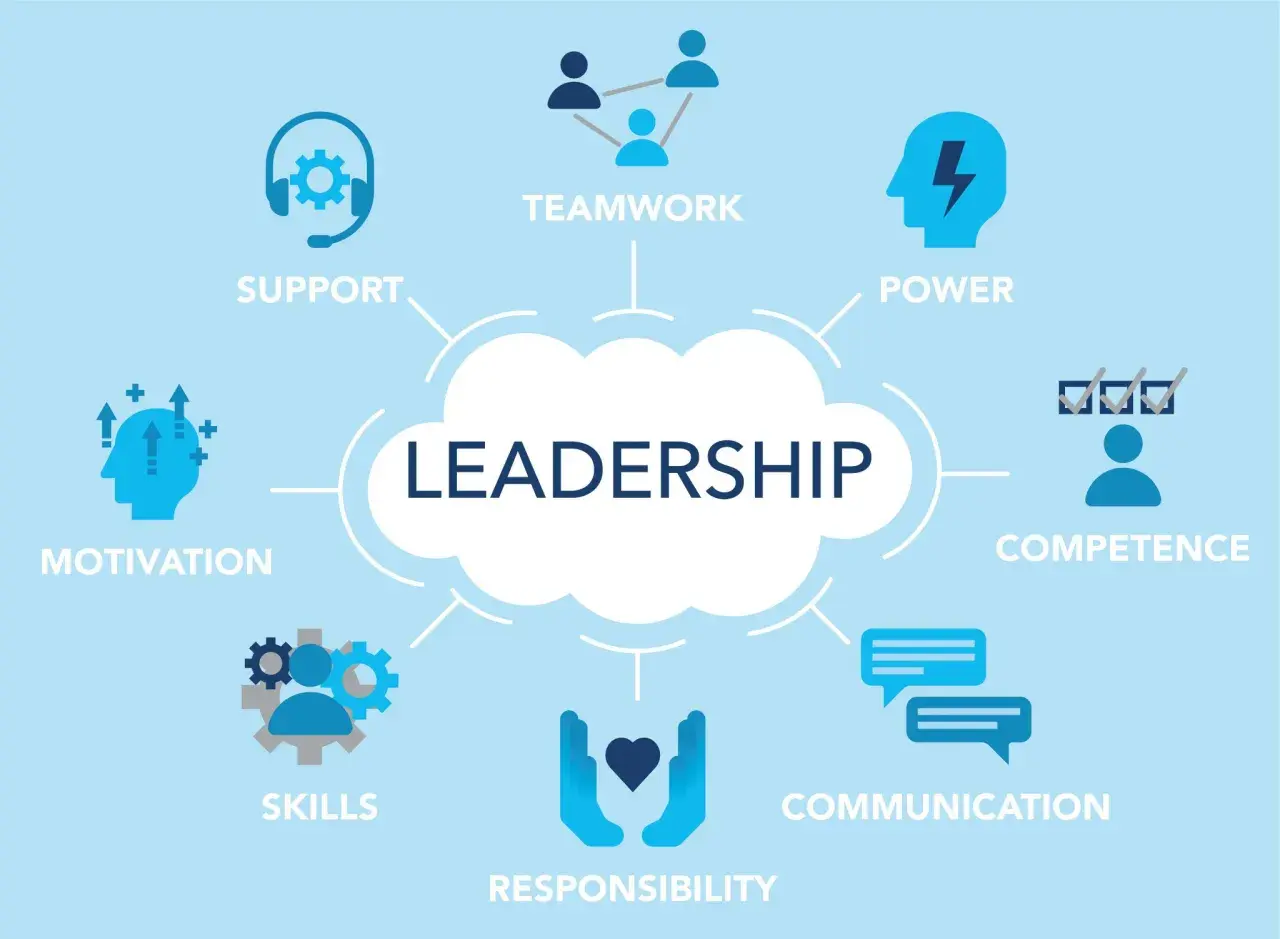
Effective school leadership training is less about absorbing theory and more about changing the way leaders make decisions under pressure. In England, the best-known route sits inside the NPQ framework, but the real value comes from how well the learning connects to curriculum, behaviour, staff development and governance. I am focusing here on what the training should change, how the main routes compare, and how to choose a programme that will still matter after the certificate is issued.
What matters most before you enrol
- The best development changes daily leadership behaviour, not just confidence.
- In England, the most structured route is the NPQ system, with leadership routes typically running for 18 months and about 1 to 2 hours of study a week.
- For autumn 2026, many publicly funded schools in England can access scholarship funding for senior leadership, headship and SENCO NPQs.
- Strong programmes cover curriculum, behaviour, staff development, governance and implementation.
- The right choice depends on your role, your timetable and whether you can apply the learning in your own school.
What leadership development is meant to fix
I usually see schools looking for development when one of four systems is under strain: curriculum coherence, behaviour, adult capability, or the handover between strategy and day-to-day practice. That is why good training is not really about slogans or motivational language. It is about helping a leader make better calls, faster, with less waste.
The strongest programmes treat leadership as a practical craft. They ask questions like: What are we trying to improve? What is blocking progress? Which routines, relationships or decisions need to change? That is a much better starting point than generic talk about “being a better leader”.
I find that this is the point many leaders miss. Leadership does not improve pupil outcomes by magic; it improves them indirectly, through the conditions adults create around teaching and learning. Once that is clear, the next question becomes which route fits the role and the timetable.

The main routes available in the UK and how they differ
Because the UK does not use one single national framework, I am anchoring this comparison in England, where the public route is clearest. If you are in Scotland, Wales or Northern Ireland, the titles and delivery models may differ, but the same questions still matter: how long does it run, how close is it to your role, and can you actually apply it?
| Route | Best for | Typical time commitment | What it is good at | Main limitation |
|---|---|---|---|---|
| NPQ routes | Teachers and leaders who want a recognised, structured qualification | Usually 18 months for leadership routes, with around 1 to 2 hours a week | Clear framework, national standard, strong link to progression | Can feel broad if you need a very local fix |
| Teaching school hub or local authority CPD | Leaders facing a specific issue in a local context | From a single session to a term-long series | Practical, contextual and often easy to access | Quality varies if the programme is pieced together |
| Coaching and mentoring | Newly promoted leaders or leaders in transition | Ongoing, often term by term | Helps turn ideas into action in real time | Depends heavily on coach quality and protected time |
| University or executive short courses | Leaders who want strategic breadth or a more academic angle | Varies by provider | Useful for big-picture thinking and peer networking | Can sit too far from the everyday reality of a school unless chosen carefully |
GOV.UK describes the leadership NPQs as flexible courses that can sit around existing commitments. For autumn 2026, scholarship funding is available in England for publicly funded schools for senior leadership, headship and SENCO NPQs, so the real comparison is not always price alone but fit, workload and opportunity cost.
Once that is clear, the next filter is content: what should a serious programme actually teach?
What a strong programme should cover
Curriculum, assessment and behaviour
A leader cannot improve a school without understanding how curriculum decisions, assessment and behaviour routines interact. I want to see training that goes beyond “vision” and gets into sequencing, expectation-setting and the practical management of disruption. If the course cannot explain how those pieces affect learning time, it is missing the point.
People, culture and professional development
School leadership is also people work. Good development should cover line management, coaching, feedback, recruitment, retention and the design of staff CPD. I pay attention to whether the programme treats adult learning seriously, because that is where many improvement plans succeed or fail.
Governance, ethics and resources
Any programme aimed at headship or senior responsibility should cover accountability, board relationships, budgeting and resource use. GOV.UK's headteachers' standards make public trust and ethical conduct part of the job, not a side topic. If a course ignores governance, it is incomplete; if it ignores resources, it is unrealistic.
Read Also: Google Project Management Certificate - Your UK Career Guide
Implementation, not just ideas
Implementation means turning a plan into routines, checkpoints and evidence. I would rather see one properly coached improvement project than ten polished lectures. The best training gives participants tools to test change in their own setting, reflect on what happened and adjust before the work drifts back into habit.
When these pieces are missing, the course may sound useful but it will not shift practice. That leads to the next question: which route matches your stage of leadership and the problems you actually own?
How to choose the right route for your role
I would choose a programme differently for a middle leader, a deputy and a headteacher, because the job to be solved is not the same. A subject leader needs different leverage from a new head, and a trust executive needs a different lens again.
- If you are a middle leader, look for subject leadership, behaviour, coaching and people-development content.
- If you are a deputy or assistant head, a senior leadership route usually makes sense because it bridges school-wide strategy and operational management.
- If you are a new headteacher, headship-focused development plus early headship coaching is often the safest combination.
- If you lead across schools or a trust, executive-level work should focus on systems, collaboration, resource deployment and sustainable policy.
Before I recommend any course, I check five things. First, does it solve a problem you really own? Second, can you apply it every week rather than once a term? Third, is there coaching or structured feedback? Fourth, does the assessment require evidence from your own setting? Fifth, is the time commitment realistic against the rest of your role?
- Clear role fit.
- A live school-based project.
- Coaching or strong facilitation.
- Visible link to standards or improvement priorities.
- Workload that your timetable can absorb.
For a school under pressure, this is where timing matters as much as content. The best programme in the world will disappoint if it arrives when the leader cannot use it.
What changes after the course ends
The real test is not whether participants enjoyed the sessions. It is whether the school sees a measurable change in how leaders work. Within one term, I would expect clearer routines, sharper meetings, more consistent follow-through and better decisions about priorities. Over two or three terms, the effect should show up in stronger staff confidence, fewer avoidable behaviour issues and more coherent improvement work.
Useful signals of impact include:
- More consistent curriculum decisions across teams.
- Cleaner line management and faster follow-up.
- Better use of data in meetings, not just more data.
- Clearer behaviour expectations and fewer repeated escalations.
- Stronger retention because staff feel supported, not just monitored.
The common mistake is treating leadership development as a standalone event. If nobody protects time for application, the learning fades. If the participant returns to the same habits, the school gets a certificate but not a change. I am always cautious when a provider cannot explain how the learning will be embedded once the course finishes.
That is why the final quality test is not the brochure, but the design of the programme itself.
The small details that show whether the learning will stick
- The programme starts with a diagnosis of the school's real issues, not a generic module list.
- Participants are asked to work on live school problems between sessions.
- There is protected time for coaching, reflection or line-manager discussion.
- The provider is explicit about who teaches, what their school experience is and how the content was built.
- The assessment rewards application, not just attendance.
- The language is practical and precise, not padded with buzzwords.
If I had to reduce the choice to one criterion, it would be this: pick the route that changes practice every few weeks, not the one that only sounds impressive in a prospectus. That is the difference between development that looks neat and development that actually improves a school.
