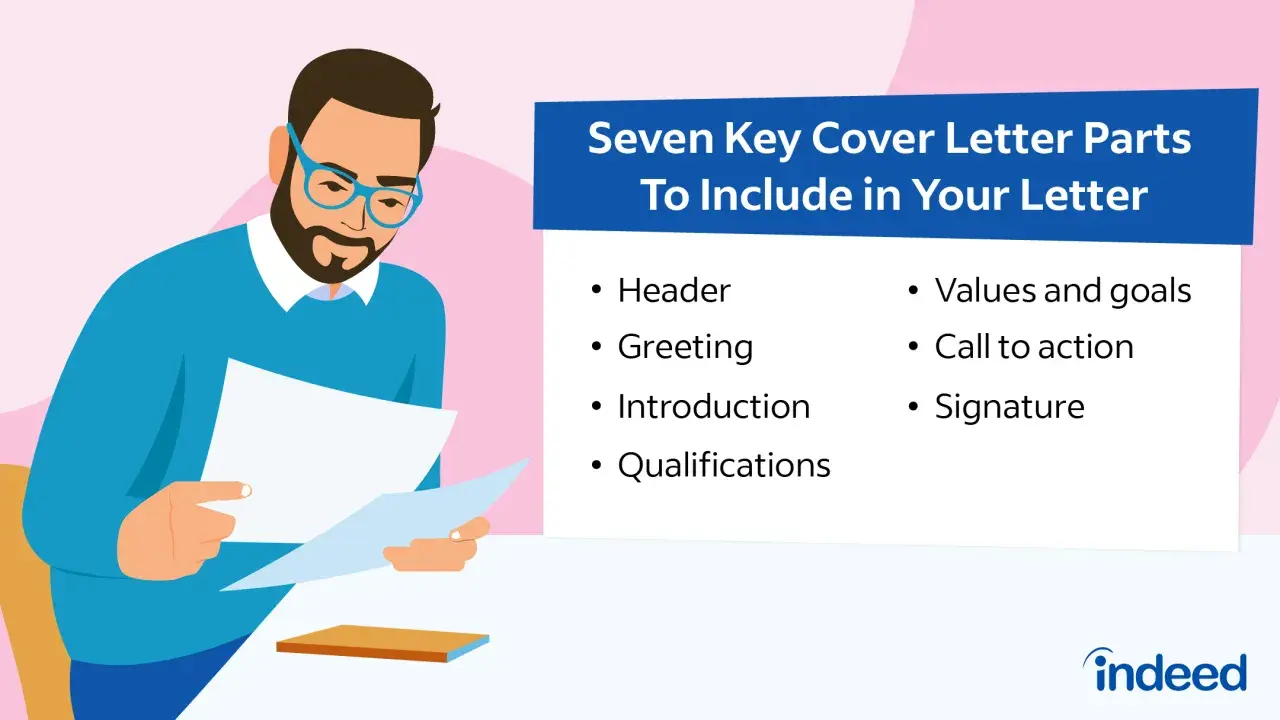
A cover letter can be the difference between a resume that gets skimmed and an application that feels genuinely relevant. This guide explains what the document does, how it differs from a resume, what to include, when it is worth sending, and how to tailor it so a hiring manager quickly sees your value.
The essentials of a strong cover letter at a glance
- Purpose: connect your experience to one specific role and employer.
- Length: keep it to about one page and focus on relevant evidence.
- Structure: use a clear opening, one or two evidence-based body paragraphs, and a confident closing.
- Difference: your resume lists qualifications, while the letter explains their relevance.
- Best practice: customize every letter instead of reusing a generic template.

What is a cover letter and what does it do?
A cover letter is a short document submitted with your resume during a job application. Its job is to introduce you, name the position you want, and show why your experience fits that particular opportunity.
I think of it as a bridge between your background and the employer’s needs. A resume gives the hiring manager facts, while a cover letter adds the reasoning behind them. It can explain why you are interested, which achievement matters most, and how you could help the organization.
The strongest letters answer three practical questions. Why this role? Why this company? And what evidence suggests you can perform well? If the document does not answer at least two of these questions, it is probably too general.
Why employers may read it
A cover letter gives you space to add context that does not fit neatly into bullet points. You might use it to explain a career change, connect transferable skills from another industry, or highlight a project that directly relates to the employer’s challenge.
It is not a personal essay, and it is not a promise of an interview. A polished letter can strengthen an application, but relevance and clarity matter more than dramatic language. Hiring managers usually want a quick, credible reason to keep reading.
How a cover letter differs from a resume
These documents work together, but they serve different purposes. When I review an application, I expect the resume to provide the career record and the letter to interpret the most important parts of that record.
| Resume | Cover letter |
|---|---|
| Lists work history, education, skills, and achievements | Explains why selected experience fits the target role |
| Uses concise bullet points and structured sections | Uses short paragraphs with a more personal narrative |
| Usually follows a consistent format across applications | Should be customized for each employer and position |
| Shows what you have done | Connects what you have done with what the employer needs |
Repeating every line of your resume wastes the letter’s main advantage. Instead, choose one or two relevant achievements and explain the result. For example, “managed social media” is a basic claim, while “increased qualified leads by 28% through a redesigned content calendar” gives the reader something concrete to evaluate.
What to include in a professional cover letter
A useful letter is usually three to five short paragraphs and fits comfortably on one page. The exact layout can vary, but the content should follow a logical path from interest to evidence to next step.
Opening paragraph
State the position you are applying for and give a specific reason for your interest. Avoid openings such as “I am writing to apply for the job advertised.” That sentence is harmless, but it uses valuable space without showing motivation.
A stronger opening might connect your experience to the employer’s work. For example, a project manager could mention experience leading a software rollout that improved delivery times, then link that result to the company’s expansion plans.
Evidence paragraphs
Use the middle of the letter to demonstrate two or three strengths that appear in the job description. Each point should include evidence, such as a measurable result, a relevant project, or a specific responsibility.
- Match the requirement: refer to a skill the employer actually requests.
- Show proof: mention the project, result, scale, or situation behind the claim.
- Explain the connection: make clear how that experience could help in the new role.
I prefer specific evidence over long descriptions of personality. “Excellent communicator” is easy to write and easy to ignore. A brief example of resolving a customer issue, coordinating five teams, or presenting findings to senior leaders feels much more trustworthy.
Closing paragraph
End by reinforcing your interest and inviting the next step. Thank the reader for their time, express interest in discussing the role, and use a professional sign-off such as “Sincerely” or “Best regards.” Keep the tone confident without sounding entitled.
When you should send one and when you can skip it
If the employer requests a cover letter, treat it as part of the application rather than an optional extra. Failing to include a requested document can suggest that you missed an instruction, even if your resume is strong.
When the letter is marked optional, the decision depends on the situation. I would usually send one when you are changing careers, applying for a competitive position, returning after a career break, relocating, or applying to an organization whose mission genuinely interests you.
You may skip it when the application system clearly does not accept one, the employer specifically says not to submit it, or you cannot create a relevant letter without padding. A tailored half-page is more useful than a generic full page that says little about the role.
| Situation | Practical choice |
|---|---|
| The employer requires a letter | Send one that directly follows the instructions |
| The letter is optional for a competitive role | Send a tailored version if you have relevant evidence |
| You are changing industries | Use the letter to explain transferable skills and motivation |
| The employer says not to include one | Respect the instruction and focus on the requested materials |
How to make the letter specific and avoid common mistakes
Customization does not mean rewriting every sentence from scratch. Start with the job description, identify its three most important requirements, and adjust your opening and evidence paragraphs around them. Then research the organization enough to mention one credible detail, such as its product, customer group, or current direction.
Read Also: List Certifications on a UK CV - Maximize Your Impact
Common problems that weaken an application
- Copying the resume: the letter should add context, not duplicate bullet points.
- Using the same letter everywhere: generic wording makes your interest look unconvincing.
- Focusing only on yourself: connect your goals to the employer’s needs.
- Writing too much: more than one page often buries the strongest evidence.
- Ignoring details: incorrect names, job titles, or company references can damage credibility.
- Overusing buzzwords: replace vague claims with actions, outcomes, and examples.
Before sending the document, check the employer’s name, position title, dates, and contact details. Read it aloud once. I often catch awkward phrasing and repeated words that way, especially in the final paragraph.
Save the file with a professional name such as FirstName-LastName-Cover-Letter.pdf. Unless the employer requests another format, PDF usually preserves your spacing and layout across devices, but always follow the application instructions first.
Make the letter earn its place in your application
A cover letter works best when it gives the hiring manager a clear reason to connect your past work with the role in front of them. It does not need to sound clever or overly formal. It needs to be specific, easy to scan, and honest about the value you can bring.
Before submitting, remove any sentence that could apply equally well to ten other companies. What remains should show why this position, why this employer, and why your evidence matters. That is the real purpose of the document, and it is what makes a short letter worth reading.