
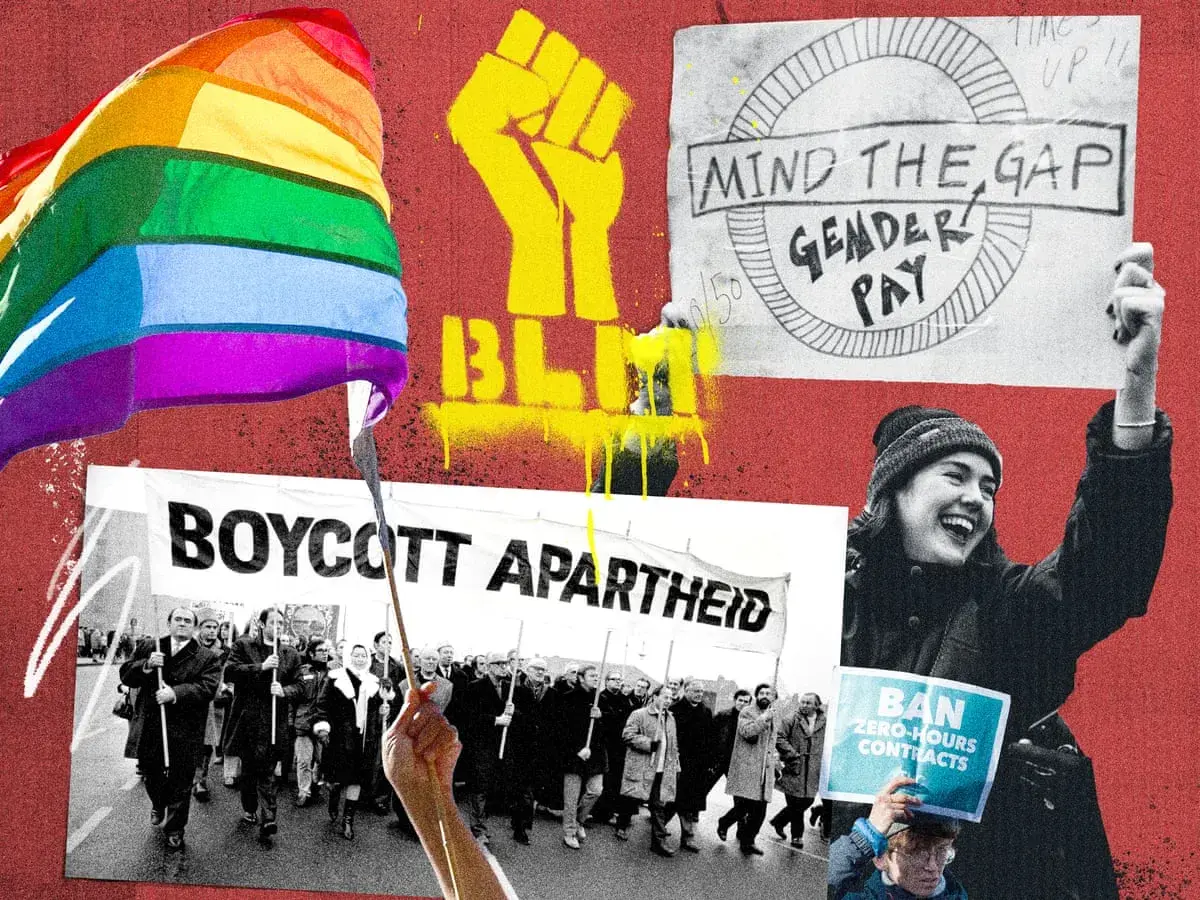
Workplace DEI succeeds or fails in the daily habits of a team: who gets heard, how decisions are made, whether managers notice exclusion early, and whether policies actually change behaviour. The real DEI considerations are not limited to statements and training decks; they shape recruitment, promotion, flexibility, pay and the tone of everyday interactions. In UK workplaces, that also means working within the Equality Act 2010 while building a culture that people trust.
The practical choices that matter most when DEI meets workplace culture
- Start with the culture you already have, not the one you wish you had.
- The Equality Act 2010 sets the legal floor in the UK, but not the standard of good practice.
- Managers shape daily inclusion more than policy documents do.
- Recruitment, promotion and pay processes need redesign, not just encouragement.
- Measure behaviour, progression and retention, not only engagement scores.
- Small visible changes often beat a broad programme that nobody owns.

Start with the culture you actually have
Culture is what gets rewarded, tolerated and ignored. If meetings reward the loudest voice, if informal sponsorship stays in one circle, or if hybrid staff are treated as second class, a DEI strategy will stall before it starts. I start by mapping the friction points: who speaks, who is interrupted, who gets stretch work, who can ask for adjustments without a fuss, and which teams lose people fastest. Those answers tell you whether the main problem is awareness, process or leadership.
- Pay attention to informal networks and who gets access to them.
- Look at the way meetings run, not only the way policies are written.
- Ask whether people feel safe raising issues before they become grievances.
- Compare experience across locations, contract types and working patterns.
Once that baseline is honest, you can stop guessing and move on to the legal and structural choices that make inclusion workable.
Work within the UK legal floor, but do not stop there
In the UK, you will often hear EDI rather than DEI, but the substance is the same. The legal floor is the Equality Act 2010, and it protects nine characteristics: age, disability, gender reassignment, marriage and civil partnership, pregnancy and maternity, race, religion or belief, sex and sexual orientation. That law matters, but it does not create an inclusive culture by itself.
Acas recommends starting with a written policy, an action plan and monitoring so you can see whether the rules are actually being used rather than just filed away. That is the right instinct: a policy helps people understand expected behaviour, where discrimination sits in law, and how problems will be handled. But the policy has to reach real decisions about hiring, promotion, pay, leave, dress code and conduct if it is going to matter.
One useful limit to remember is that positive action is not the same as positive discrimination. It can help address under-representation in a lawful, proportionate way, but it does not justify skipping merit or ignoring fairness. Once that legal base is clear, the harder work is making managers capable enough to apply it consistently.
Build manager capability before you expect behaviour to change
I rarely see a DEI strategy fail because the wording is weak; it fails because line managers are left to improvise. Managers decide who gets stretch work, how feedback is framed, whether a complaint is taken seriously and how adjustments are handled day to day. If they do not understand the policy, the culture drifts back to habit.
That is why manager capability matters more than one-off awareness sessions. I would focus training on three things: structured interviews, inclusive feedback and escalation, and practical conversations about adjustments or conflict. CIPD research suggests only 28% of UK employers train all interviewers on legal obligations and objective interview practice, which is a useful warning that bias usually survives inside ordinary routines.
- Use scorecards so interviews are judged on the same criteria.
- Role-play difficult conversations, not just definitions.
- Give managers a clear route for raising concerns early.
- Check whether managers are actually applying the policy, not just endorsing it.
When managers can act with confidence, inclusion stops sounding abstract and starts looking like a normal management skill, which leads directly to the systems that shape opportunity.
Redesign the processes that decide opportunity
If a process cannot be explained clearly, it is probably too dependent on discretion. That is where bias hides. I would map the employee journey from application to promotion and ask where people are most likely to get inconsistent treatment.| Process | What to check | Common failure | Better practice |
|---|---|---|---|
| Recruitment | Job ads, shortlist criteria, interview scoring | Vague “culture fit” and the same channels every time | Structured interviews, salary ranges, wider posting, consistent scoring |
| Promotion | Criteria, sponsorship, talent reviews | Visibility beats contribution | Documented standards and calibration across teams |
| Pay | Starting salaries, pay bands, progression | Legacy pay and negotiation gaps stay hidden | Transparent bands and regular equal-pay reviews |
| Flexible work | Hybrid access, hours, caregiving needs | Flexibility exists on paper but hurts career progression | Outcome-based targets and manager training |
| Learning and development | Who gets courses, secondments and conferences | The already visible keep getting noticed | Open nomination and tracking by group |
| Reasonable adjustments | Request process, speed, confidentiality | Employees have to repeat themselves to every manager | A simple route with quick decisions and clear ownership |
Watch language too. Terms like “culture fit” often conceal similarity bias, especially if nobody can define what they mean. A better test is whether someone can do the job, work well with others and add something the team is missing. That kind of clarity makes the next section easier, because everyday inclusion starts with simple habits that people feel immediately.
Make inclusion visible in everyday work
People usually feel inclusion first in small moments: whether their name is pronounced correctly, whether captions are available, whether a flexible schedule hurts their prospects, and whether a concern can be raised without social backlash. In other words, the culture is built in the ordinary, not the ceremonial.
- Share agendas before meetings and notes after them.
- Rotate chairing and note-taking so visibility is not concentrated.
- Make reasonable adjustments quick, private and routine.
- Treat hybrid participation as equal participation, not a weaker version of presence.
- Challenge banter or slang that excludes people, even if it is sold as harmless.
- Use staff networks as feedback loops, not as a substitute for leadership.
Psychological safety matters here: people need enough confidence to ask for help, raise a concern or disagree with a manager without being punished for it. If they only speak up after they have already disengaged, the culture has already failed them. That is why measurement matters, but only if it is tied to action.
Measure the change and keep the data honest
I prefer a small dashboard over a thick report nobody reads. Track the points where opportunity and experience can be seen, then review them regularly enough to act before problems harden.
- Hiring conversion by stage and group.
- Promotion and pay progression.
- Retention and exit interview themes.
- Turnaround time for adjustments.
- Belonging and speak-up scores from pulse surveys.
- Complaints, grievances and informal reports.
Read the data intersectionally where you can. A single category can hide a very different experience at the overlap of race, sex, disability or age. And if a metric does not trigger a decision, remove it. The point is not to admire numbers; the point is to change behaviour. Once you know what to measure, the last question is what to fix first.
The rollout choices that keep DEI credible after launch
In the first 90 days, I would choose one process, one manager habit and one metric. That keeps the work narrow enough to execute and visible enough for staff to judge whether it is real. The biggest mistake is trying to solve everything at once and ending up with a programme that sounds ambitious but lands lightly.
- Pick one high-friction process first.
- Give it a named owner and a deadline.
- Change one visible habit in the next 90 days.
- Report back in plain language on what improved and what still needs work.
DEI becomes part of how the workplace operates rather than a side project when the culture, the systems and the managers move together. That is the standard I would aim for in any UK organisation that wants inclusion to survive beyond the launch phase.
