
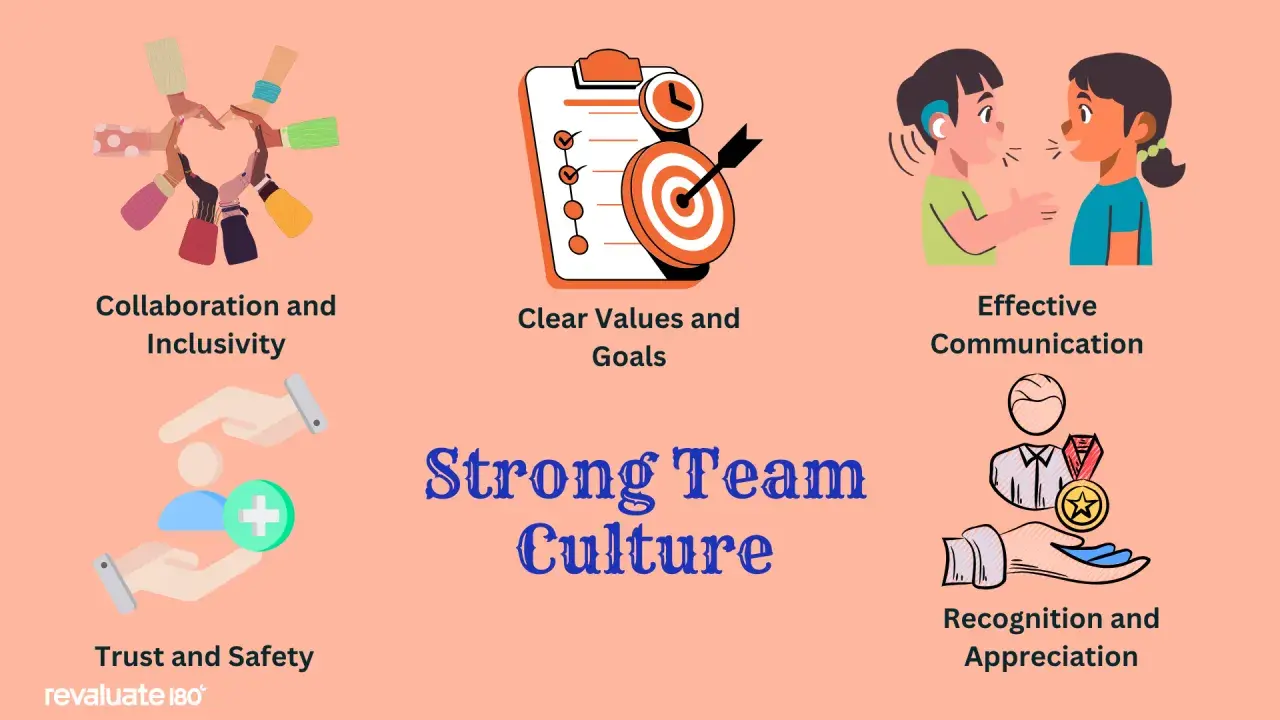
The essentials at a glance
- Norms turn abstract values into visible everyday behaviour.
- They affect trust, speed, accountability, and psychological safety.
- Weak norms often show up first in meetings, messaging, and feedback habits.
- Keeping the list short and specific makes it far more usable.
- Leaders have to model the behaviour, or the whole thing quietly collapses.
What these unwritten rules actually cover
The easiest way to understand workplace norms is to see them as the practical rules that sit between formal policy and daily behaviour. A policy tells people what is allowed or prohibited. A norm tells them what is considered normal, expected, or simply “how things are done here”.
That difference matters. In a team, norms answer ordinary questions that shape the whole experience of work: Who speaks first in meetings? Is it acceptable to challenge an idea in front of others? How quickly should messages be answered? Do people raise problems early, or wait until they have a perfect solution? Those details sound small, but they shape the tone of the entire culture.
I often find that teams confuse values with norms. A value like respect is broad. A norm makes it visible. For example, respect might become “We let one person finish speaking before anyone interrupts” or “We disagree with ideas without making the discussion personal”. That is where culture stops being a poster on the wall and starts becoming something people can actually feel.
In practice, the strongest teams make the hidden rules explicit. That does not mean turning every interaction into bureaucracy. It means removing guesswork so people do not waste energy decoding each other. From there, the conversation moves naturally into why the rules matter so much for performance and culture.
Why they shape culture faster than policy documents
Culture changes slowly when it stays vague. It changes faster when people can see the behavioural patterns that repeat every day. CIPD makes a useful distinction here: culture becomes tangible when you focus on the behaviour attached to policies, practices, and procedures. In other words, the lived experience matters more than the slogan.
This is why strong norms influence workplace culture so quickly. They affect the moments that people remember: how meetings end, how mistakes are handled, how feedback is given, and whether people feel safe enough to speak honestly. A team with healthy norms tends to feel lighter, because people spend less time second-guessing themselves and more time getting the work done.
Psychological safety is a big part of this. In plain terms, it means people can ask questions, admit errors, or raise a different view without being ridiculed or punished for it. That does not remove accountability. It makes accountability more useful, because problems surface earlier and decisions get tested properly before they become expensive.
The impact is especially visible in hybrid and cross-functional teams. When people are not in the same room every day, they lose the tiny social cues that once made expectations obvious. Silence in chat can be read as agreement, or dismissal, or simple busyness. A clear set of norms reduces that ambiguity and makes collaboration less dependent on guesswork.
For workplace culture, the practical effect is simple: norms shape what gets rewarded, what gets ignored, and what gets repeated. That is why I treat them as one of the fastest levers a manager can use when a team feels messy or uneven.

What healthy team behaviour looks like in practice
The best way to make norms useful is to define them as observable behaviour, not as abstract ideals. A team can say it values accountability, but that means little unless people know what accountable behaviour looks like on a Tuesday afternoon when a deadline slips.
| Norm | What it looks like | Why it helps | What goes wrong without it |
|---|---|---|---|
| Clear communication | People reply within one working day, flag blockers early, and say when a task is not on track | Work moves faster because nobody is left guessing | Deadlines slip quietly and managers find out too late |
| Respectful disagreement | People challenge ideas with evidence and avoid sarcasm or public embarrassment | Better decisions emerge because different views are actually heard | Teams go silent, then complain privately later |
| Punctual meetings | Meetings start and end on time, with an agenda and action owners | People trust the calendar and prepare properly | Meetings drift, and the most organised people carry the cost |
| Inclusive participation | The chair invites quieter people in, rotates who speaks first, and does not let senior voices dominate | More perspectives are captured before decisions harden | Useful ideas stay hidden, especially in mixed or junior teams |
| Feedback with intent | Feedback is direct, specific, and given at the right time and place | People improve faster and stop guessing what went wrong | Performance problems linger because nobody wants the awkward conversation |
| Shared accountability | People own mistakes, explain trade-offs, and do not shift blame | Trust rises because the team can rely on each other | Frustration builds and blame becomes the default response |
I like this format because it forces clarity. If a norm cannot be described in one visible behaviour, it is probably too vague to be useful. That is also where a lot of teams go wrong, because they write what sounds good instead of what people can actually do.
In UK workplaces, this is especially useful where politeness can blur direct feedback. Clarity does not have to become bluntness. It just has to be real. Once that point is clear, the next job is setting expectations in a way people will genuinely use.
How to set expectations people will actually use
When a team wants better norms, I never start with a long list. I start with the friction. Where do things keep breaking down? Which habits create delay, confusion, or frustration? The answer usually points straight to the behaviours that need attention.
Acas makes a practical point that fits here: people need to know what behaviour is expected and how it should work in everyday practice. That is exactly how I would approach team norms. They have to be written for real life, not just for induction slides.
- Pick the problems first. If meetings run over, start there. If people miss handovers, start there.
- Keep the list short. Five to seven norms is usually enough for one team to remember and apply them consistently.
- Write each one as a behaviour. “Be collaborative” is weaker than “Share work in progress early enough for others to respond”.
- Test each norm against normal pressure. Would it still work during deadlines, remote work, or busy periods?
- Make the leader part of the rule. If managers are exempt, people stop taking the norm seriously.
- Review it after 30 to 90 days. The point is not to freeze the norms forever. The point is to keep them useful.
The best teams I’ve seen co-create their own expectations rather than having them handed down as management language. That does two things. First, it makes the norms feel more legitimate. Second, it exposes where people already have different assumptions, which is often the real problem in the first place.
There is also a cultural gain here. When expectations are explicit, new starters settle faster, and existing staff spend less time learning by mistake. Once the team has a workable set of norms, the real test becomes consistency. That is where many teams stumble.
Why norms fail in real teams
Most weak norms do not fail because the idea is bad. They fail because the execution is sloppy or uneven. I see the same pattern again and again: a team agrees the right words, then continues rewarding the old habits.
- They are too vague. “Be respectful” sounds fine, but it does not tell people what to do when tension rises.
- They are too many. Ten or twelve norms become wallpaper, not guidance.
- They apply only to junior staff. Nothing kills credibility faster than a senior leader breaking the rule and getting away with it.
- They ignore hybrid reality. A norm that only works in the office will fall apart the moment people work across locations.
- They are never revisited. Teams change, but the expectations stay frozen as if nothing has shifted.
- They are not reinforced. If a norm is breached and nobody responds, the team learns that it was never really a norm at all.
One of the biggest mistakes is treating norms like a one-off exercise. A team charter written in a workshop is not culture. It is only the starting point. The real culture is what people do on a busy day when the manager is not watching.
That is why I pay attention to leadership behaviour. If leaders interrupt, miss deadlines, or avoid difficult conversations, everyone else notices. They may not say it out loud, but they will adapt to the real pattern, not the stated one. From there, the question becomes how to keep the norms alive as people, priorities, and structures change.
How to keep them alive when the team changes
Norms need maintenance. Teams change through promotions, new hires, restructures, client pressure, and shifts in working patterns. If you do not revisit expectations, they drift into habit, and old habits are not always the useful ones.
I normally recommend a simple rhythm. Revisit the norms when a new manager joins, when a team grows quickly, after a major project, or when the move between office and remote work changes how people interact. For stable teams, a quarterly check-in is often enough. For fast-moving teams, monthly is safer.
There are a few practical ways to keep them visible:- Put the norms into onboarding so new starters see how the team actually works.
- Use them in meetings, especially when a discussion starts to drift or become personal.
- Refer back to them in feedback conversations so they feel connected to real behaviour.
- Review them after mistakes, not just after successes.
- Keep one owner responsible for prompting the review, even if the whole team contributes.
The most effective teams do not talk about norms once and move on. They treat them as a living part of the way the group operates. That is what turns a good idea into a workable culture, and it leads naturally to the real-world signs that the system is doing its job.
The signs I look for when the culture is working
When team norms are doing their job, the evidence is visible in ordinary moments, not in slogans. People ask better questions earlier. Problems are raised before they become emergencies. Meetings feel shorter because the rules are clear. And disagreement stops feeling like a threat.
- New joiners understand the team’s habits quickly.
- People challenge ideas without making the room defensive.
- Tasks move with less chasing and fewer misunderstandings.
- Leaders follow the same expectations as everyone else.
- Feedback becomes more direct because it is less emotional.
- People are more willing to admit mistakes before they spread.
If I had to give one practical test, I would ask a new employee after their first month what rules they think the team follows. If their answer is close to reality, the culture is probably coherent. If they struggle to guess, the norms are still hidden, and hidden norms are the ones most likely to cause confusion, silence, and avoidable friction.
Good workplace culture does not appear by accident. It is built through clear expectations, repeated behaviour, and leaders who model what they ask of others. Once those habits are visible, the team stops relying on guesswork and starts working with real alignment.
