
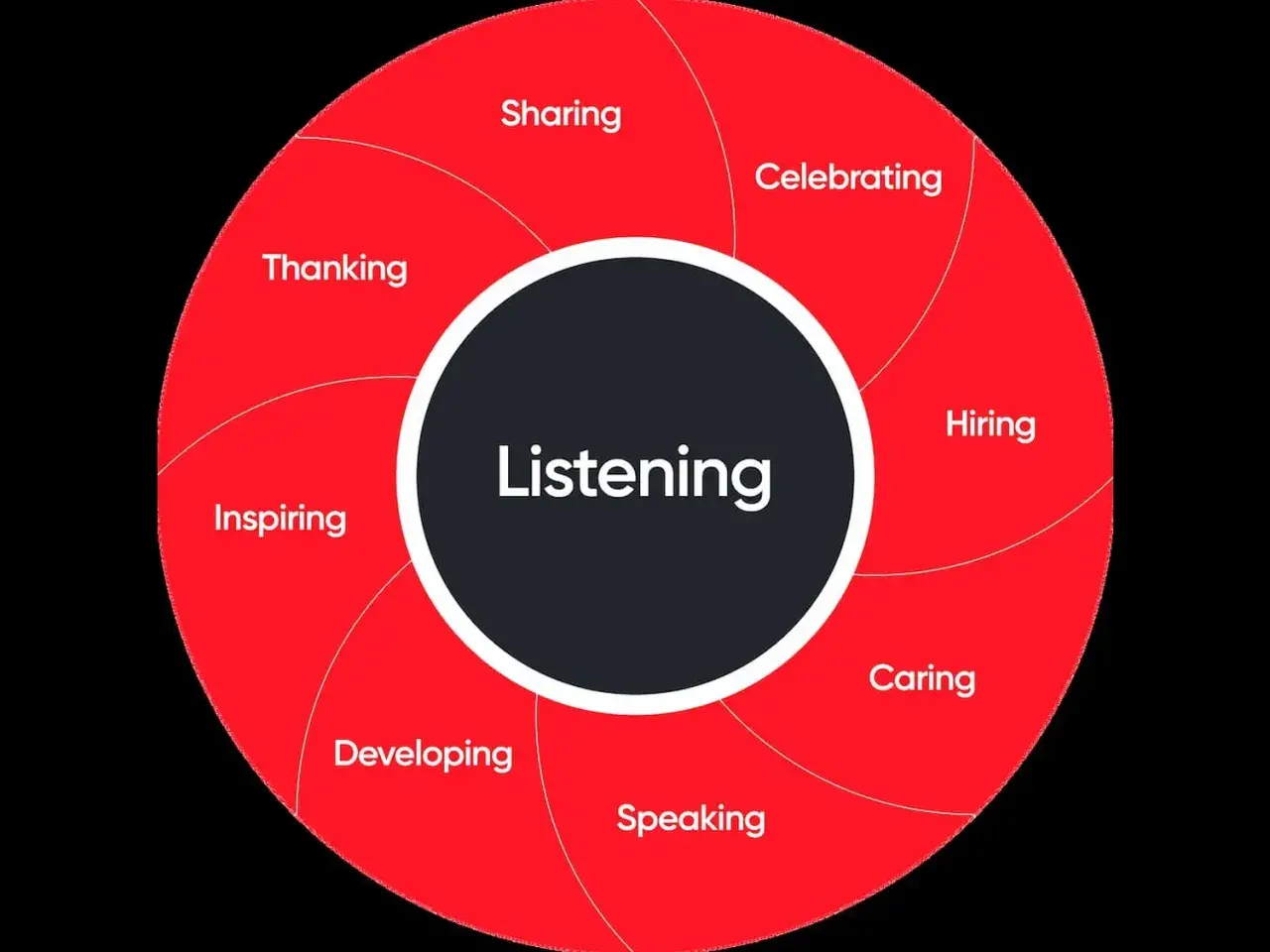
Healthy workplace culture is not built on slogans or polished values statements. In a workplace, psychological trust is the sense that people can speak honestly, ask for help, disagree, and make mistakes without being shamed. This article explains what that feeling means in practice, how it shapes team behaviour, and what leaders and employees in a UK workplace can do to strengthen it.
The practical version of trust at work
- It is the feeling that people can speak up, admit errors, and ask questions without being punished.
- It is closely related to psychological safety, but not identical.
- It shows up in small behaviours such as follow-through, fair feedback, and calm responses to bad news.
- It breaks quickly when leaders are inconsistent, defensive, or visibly favour favourites.
- It grows when managers combine clear standards with respect, transparency, and quick repair after mistakes.
- In hybrid teams, it depends on explicit norms, not assumptions.
What psychological trust means in a workplace
Psychological trust is the permission to be honest without expecting humiliation or retaliation. I think of it as the point where people believe their manager, colleagues, and leaders will handle truth fairly, even when the truth is inconvenient.
It is not the same as being friendly, and it is not the same as always agreeing. A team can be warm on the surface and still feel unsafe underneath. Real trust is more practical than that: people believe promises will be kept, feedback will be handled fairly, and mistakes will not be turned into character judgements.
- It is built on consistency, not perfection.
- It depends on fairness, not constant agreement.
- It gives people room to be candid, not reckless.
Trust and psychological safety are related, but not the same
People often use the terms as if they mean the same thing, but the difference matters. Trust is about confidence in other people’s intent and reliability. Psychological safety is about whether the environment feels safe enough to speak up, ask questions, or admit a mistake without fear of punishment or ridicule.
| Aspect | Trust | Psychological safety |
|---|---|---|
| Core question | Can I rely on you? | Can I speak up here? |
| Built through | Consistency, competence, fairness | Respectful reactions, no ridicule, no punishment for honest input |
| When it fails | People stop believing promises | People stay quiet or self-censor |
| Best outcome | Confidence in decisions and follow-through | More questions, more ideas, earlier risk-sharing |
A team can have one without fully having the other. People may trust a competent manager but still keep quiet if they think disagreement will be punished. Or they may feel free to speak in a workshop, but not trust that anything will happen after the meeting. That distinction is worth making because culture changes differently depending on which side is weak.
Why it changes culture, not just mood
A recent CIPD evidence review links trust and psychological safety to teamwork, communication, collaboration, and overall performance. That fits what I see in real organisations: when people stop spending energy on self-protection, they spend more of it on solving the actual problem.- Risks are raised earlier, before they turn into expensive surprises.
- Handovers are cleaner because people are not hiding uncertainty.
- Disagreement becomes more useful because it is about the work, not status.
- Gossip and defensive behaviour usually fall when direct conversation rises.
In UK workplaces, this matters even more in hybrid settings, where managers have fewer informal cues and employees are more likely to infer tone from a short message or a delayed reply. The practical question then becomes what people can actually observe in meetings, messages, and day-to-day management.

What it looks like in everyday behaviour
The easiest way to spot trust is not by reading values posters. It is by listening to how people talk when there is pressure, uncertainty, or bad news. When the culture is healthy, managers thank people for raising risks early, colleagues ask basic questions without embarrassment, and mistakes are handled as information rather than as evidence of failure.
- People raise problems before they become expensive.
- Junior staff speak in meetings instead of only after the call.
- Managers explain decisions instead of hiding behind authority.
- Feedback stays specific and private, not theatrical.
- People admit what they do not know.
For example, if a project lead says, “I need a day to check the numbers,” and nobody mocks that honesty, the culture is doing something right. If they say it once and then hear about it for weeks, trust is already thinning. That leads naturally to the behaviours that damage it fastest.
What breaks trust faster than most leaders expect
Trust usually does not collapse because of one dramatic event. It erodes through repeated patterns: a manager who changes priorities without explanation, a leader who praises openness and then punishes bad news, or a culture that lets one person’s sarcasm dominate the room.
- Broken promises, especially around workload, promotion, or flexibility.
- Public criticism that should have been private.
- Different rules for different people.
- Micromanagement disguised as “visibility”.
- Ignoring bullying, gossip, or repeated disrespect.
- Silence after someone raises a concern.
In the UK, this is not just a cultural issue. Acas makes it clear that employers have a duty of care and should take bullying complaints seriously. When complaints are handled slowly or inconsistently, people learn quickly that speaking up is risky, and once that lesson lands, the culture hardens fast.
How leaders build it without turning it into a poster campaign
I think the most common mistake is trying to advertise trust instead of practising it. People do not believe a slogan; they believe repeated behaviour. If you want a stronger trust climate, start with actions that employees can feel within the week, not a programme that sounds impressive in a presentation.
- Close the loop. If someone raises a concern, come back with what you learned and what changed.
- Explain decisions. Even when the answer is no, give the reasoning, the trade-off, and the next review point.
- Respond to mistakes with learning first. Hold people accountable, but do it after the facts are clear.
- Invite disagreement in the room. Ask, “What are we missing?” or “Who sees this differently?” and then wait.
- Model proportionate vulnerability. Admit when you were wrong or unsure. That normalises honesty without lowering standards.
The useful rule is simple: trust without accountability becomes vague comfort, while accountability without trust becomes fear. The best managers hold both at once, and that balance is what makes a team reliable under pressure.
How to keep it working in hybrid and remote teams
Hybrid work changes the rhythm of trust because the cues are thinner. People lose some of the small, accidental moments that build confidence, so the team has to make the important signals more explicit.
- Agree response-time expectations for messages, rather than leaving urgency to guesswork.
- Write down decisions, owners, and deadlines after meetings.
- Rotate who speaks first so quieter people are not always waiting for permission.
- Do not use cameras as a proxy for commitment. Presence is not the same as honesty.
- Leave room for informal conversation, because rapport still matters.
- Keep one clear channel for sensitive issues so people do not have to guess where to go.
Over-monitoring often backfires in remote settings. The more a manager tries to prove control, the more the team senses doubt, and doubt is expensive. A better signal is steady follow-through, because it tells people the rules will not change every week. Measurement only matters if it changes behaviour.
How to measure it without turning it into a survey exercise
If you want a real reading, do not rely on a once-a-year engagement survey. I would use a short pulse every 4 to 6 weeks, then pair it with conversations in 1:1s and team meetings. The point is not to collect more data; it is to notice whether the same friction keeps appearing.
- Can people raise a mistake or concern without fear of fallout?
- Do managers explain decisions clearly enough for people to trust them?
- Are disagreements handled respectfully?
- Does action follow feedback within a reasonable time?
Track behaviour as well as opinion. If sick leave, silent meetings, repeated escalations, internal transfers, or exit interviews keep pointing in the same direction, the culture is telling you something a survey score may miss. That is why I prefer a mix of numbers and conversations rather than a single trust index.
The first changes I would make in a UK workplace culture
If I were improving this from scratch, I would start with three habits: be clear about decisions, be calm about mistakes, and be serious about bad behaviour. Those three points matter because they are visible to everyone, not just to senior leaders.
Once people see that honesty is handled fairly, they stop spending energy on self-protection and start spending it on the work. That is when culture becomes easier to lead, easier to repair, and much harder to break.
For most teams, the quickest win is not a new framework. It is a manager who listens properly, follows through, and makes it safe to tell the truth early.
