
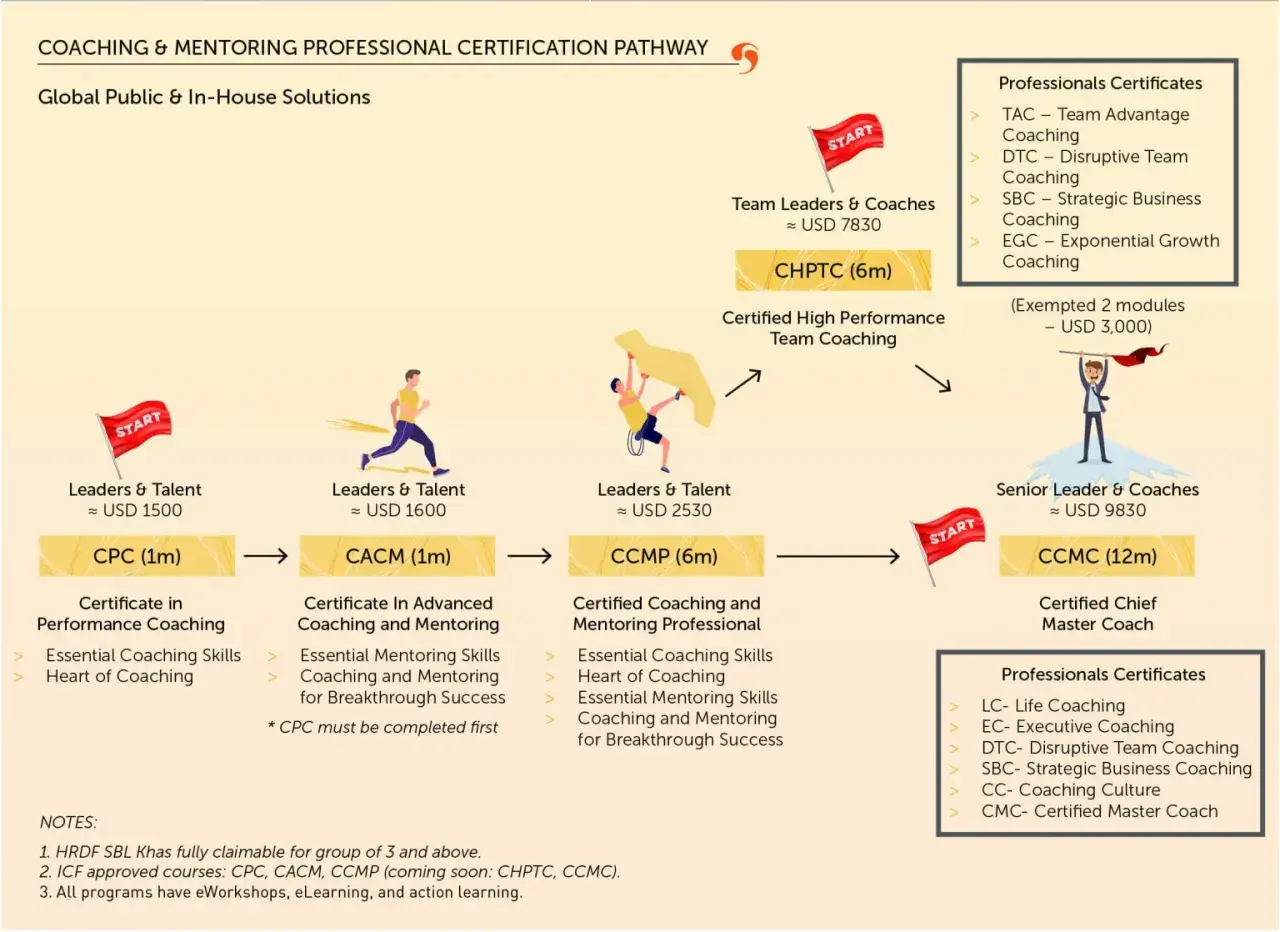
Building a coaching culture is less about adding one more leadership initiative and more about changing how people talk, decide, and develop at work. In practice, it means managers ask better questions, feedback becomes normal, and employees are expected to think for themselves instead of waiting for every answer. This article breaks down what that shift looks like, why it matters for UK organisations in 2026, and how to make it real without turning it into a slogan.
What matters most when coaching becomes part of daily work
- A coaching culture is built through everyday habits, not a one-off workshop.
- The strongest signal comes from line managers who use questions, feedback, and accountability consistently.
- Coaching, mentoring, and managing do different jobs, so leaders need to switch styles instead of forcing one approach everywhere.
- A focused 90-day pilot is usually the fastest way to prove value before scaling.
- Measure behaviour change, manager confidence, and internal mobility, not just training attendance.
What a coaching culture actually changes at work
When I talk about a coaching culture, I am not talking about a private coaching programme for senior leaders. I am talking about a workplace where the default response is to develop people, not simply direct them. That changes the unwritten rules: managers spend less time rescuing, teams ask sharper questions, and people learn to solve more of their own problems.
The shift matters because culture shows up in small moments. It shows up in how a manager reacts to a mistake, whether a team meeting ends with commitment or confusion, and whether feedback is given early or only at appraisal time. In a real coaching culture, people can challenge ideas without becoming adversarial, and support each other without lowering standards.
That is also why coaching is often stronger than a pure training push. Training can improve knowledge; coaching helps new behaviour stick. Once that distinction is clear, the next question is whether coaching is actually different from mentoring and day-to-day management.
Coaching, mentoring and managing are different jobs
One of the quickest ways to weaken a coaching initiative is to blur it with every other leadership activity. I find it cleaner to separate the three.
| Approach | Main job | Best use | Risk if overused |
|---|---|---|---|
| Coaching | Helps someone think, decide, and act for themselves | Problem-solving, performance shifts, development conversations | It becomes slow or frustrating if the only thing needed is a clear decision |
| Mentoring | Shares experience, context, and networks | Career pathing, succession, sector knowledge | The other person may copy the mentor instead of finding their own way |
| Managing | Sets direction, priorities, and accountability | Delivery, compliance, deadlines, risk | It turns into command-and-control if it is the only style a leader uses |
The healthiest teams move between these modes deliberately. A manager may coach someone through a tricky stakeholder issue, mentor them on career choices, and manage directly when the deadline is non-negotiable. Once leaders can name the difference, they can decide where coaching should show up first.
Why it matters for UK leadership teams in 2026
In the UK, the case for a coaching-led workplace is practical rather than fashionable. Teams are still dealing with hybrid routines, leaner headcount, and managers who are asked to deliver results while also developing people. That combination is exactly where coaching earns its keep, because it reduces dependency on the boss for every decision.
I also see coaching pay off where organisations want stronger internal progression. When line managers know how to have better development conversations, they spot potential earlier, move people into stretch roles sooner, and create a more credible internal pipeline. For employees, that usually feels more concrete than a generic promise of career development.
- Faster problem-solving: people learn to think through issues instead of waiting for escalation.
- Better retention: growth conversations are one of the simplest ways to make a role feel worth staying in.
- Stronger succession: more employees are ready for the next step because development happens in the flow of work.
- Healthier management load: line managers spend less time firefighting and more time leading.
The business case is strongest when coaching is tied to a real organisational challenge, not treated as a feel-good extra. That is where the leadership habits matter.

The leadership habits that make coaching credible
A coaching culture does not survive on policy language. It survives on what leaders do in live conversations. The managers I trust most are not the ones who ask endless open questions; they are the ones who know when to listen, when to challenge, and when to be direct.
Ask before you tell
Start with the real issue. A good coaching question often reveals that the stated problem is not the actual problem. A team member may say they need a process fix, when what they really need is clarity on priority or permission to make a decision. A few careful questions can save hours of rework.
Give feedback early enough to matter
Feedback is most useful when it is specific, timely, and linked to an observable behaviour. Vague praise or delayed criticism both weaken the message. In my experience, the best managers treat feedback as part of normal work, not as a formal event reserved for reviews.
Keep accountability visible
Coaching is not softness. People still need clear expectations, deadlines, and consequences. The difference is that the manager uses coaching to help the employee own the path, rather than doing the thinking for them.
Read Also: Accountable Leadership - Boost Performance & Coaching
Use a simple structure when the conversation matters
GROW, which stands for goal, reality, options, and will, is a practical framework for one-to-one coaching conversations. It keeps the discussion focused without sounding scripted, and it works well for development conversations, problem-solving, and post-project reflection.The main rule is simple: use coaching when the person needs to think, and use direction when the situation requires a decision. That distinction leads directly into how to roll the approach out without overwhelming the business.
A practical 90-day rollout for the first pilot
I would not try to transform an entire organisation at once. A focused pilot is faster, easier to learn from, and much more believable than a broad launch with no follow-through. A realistic first phase is 90 days, with one business unit, one management cohort, and a clear problem to solve.
- Choose one business outcome. Pick something concrete such as reducing avoidable escalations, improving new-manager confidence, or strengthening internal movement into stretch roles. If the goal is vague, the effort will drift.
- Pick the right managers. Start with line managers who already have some credibility, because peer influence matters more than policy slides. If they model the habit well, others copy it faster.
- Train the minimum viable skill set. Focus on listening, questioning, feedback, and accountability. You do not need a three-month theory course before anyone can start practising.
- Build coaching into existing rhythms. Add short coaching moments to weekly check-ins, project reviews, and performance conversations. If coaching only happens in special meetings, it stays optional. If your team is hybrid, make sure remote colleagues get the same quality of coaching conversations as people on site.
- Support the managers after training. One-off workshops fade quickly. A short practice cycle, peer reflection, or manager clinic every 2 to 4 weeks helps the behaviour stick.
- Review what changed. At the end of the pilot, compare the before and after picture. Look for better clarity, fewer repeat issues, more ownership, and stronger development conversations.
The point of a pilot is not perfection. It is to prove that the method works in your environment before you spend more time, money, and internal attention on scaling it.
How to measure progress without turning it into bureaucracy
Most organisations either measure too little or measure the wrong thing. Attendance at a workshop is not proof of culture change. What matters is whether people behave differently at work.
| What to track | What it tells you | How often I would check it |
|---|---|---|
| Manager behaviour | Whether leaders are asking better questions, giving more timely feedback, and sharing ownership | Monthly pulse |
| Employee experience | Whether people feel clearer, more supported, and more confident in their role | 30, 60 and 90 days |
| Delivery signals | Whether internal escalation, rework, or avoidable delays are falling | Monthly or quarterly, depending on the team |
| Talent movement | Whether more people are ready for stretch roles, lateral moves, or promotion | Quarterly |
If you want a simple rule, keep the scorecard small. Three to five indicators are enough. Any more than that, and leaders start managing the dashboard rather than the behaviour. Once measurement is sensible, the next challenge is avoiding the mistakes that quietly kill the effort.
Where coaching cultures usually fail
The most common failure is treating coaching as a benefit instead of a management expectation. If only a small group gets coaching language and everyone else still works in command-and-control mode, the culture shift stays cosmetic. People notice that immediately.
- No time is protected. Coaching gets squeezed out when diaries are packed, so the business keeps rewarding firefighting.
- Incentives stay unchanged. If managers are promoted for personal heroics, they will keep solving everything themselves.
- Leaders sound supportive but stay vague. Coaching without standards becomes pleasant but useless.
- Only high-potentials are included. That creates a two-tier culture and weakens trust.
- Coaching is used for everything. Some situations require direct instruction, especially around risk, regulation, safety, or urgent delivery.
I also see programmes stumble when they ignore context. A professional services team, a manufacturing floor, and a public-sector function will not need the same rhythm or language. The principle is the same, but the application has to fit the reality of the work. That is what a mature version looks like.
What it looks like when the shift has stuck
When coaching has really taken root, you stop hearing about it as a separate initiative. It becomes visible in the ordinary flow of work. Meetings end with clearer commitments, managers spend less time chasing basic decisions, and people talk more openly about what they need to improve.
- Development conversations happen before problems become performance issues.
- New managers get better faster because they are coached rather than just supervised.
- Feedback feels normal, not dramatic.
- Employees take more ownership because they are expected to think, not just comply.
- Career growth becomes more concrete, because the organisation has built a habit of talking about next steps.
If you are serious about building a coaching culture, start small enough to learn and specific enough to measure. One team, one manager habit, and one business outcome are usually enough to begin. In most organisations, the fastest win comes from middle managers, because they shape the daily experience of most employees. The goal is not to sound coaching-led; it is to make coaching part of how the organisation actually works.
