
Trust in leadership is rarely won by a speech. It is built in the small moments: the promise you keep, the decision you explain, the mistake you own, and the way you treat people when the pressure rises. Knowing how to build trust as a leader matters because trust decides whether people speak up, take ownership and follow you when the work gets difficult. In coaching-led teams, it also determines whether people grow or simply wait for instructions.
The most reliable leaders make trust visible through consistent behaviour, honest communication and fair decisions
- Trust is not about being universally liked; it is about being dependable, transparent and fair.
- People judge leaders by patterns, not promises, so small habits matter more than polished messaging.
- Coaching behaviour builds trust when it gives people clarity, ownership and support without micromanagement.
- Trust weakens fastest when leaders hide bad news, change standards without explanation or take credit for team work.
- A simple 30-60-90 day rhythm helps you turn trust into a repeatable leadership practice.
What trust really means in practice
When I talk about trust, I do not mean blind loyalty or constant agreement. I mean something much more practical: people believe you are competent, consistent and acting in their interest. In a UK workplace, that usually shows up in three questions team members ask quietly before they commit fully to your direction: Can I rely on you? Will you tell me the truth? Do you treat people fairly when the stakes are high?
That is why trust is so closely tied to psychological safety. If people feel safe, they will raise problems early, challenge weak ideas and admit mistakes before they grow into bigger ones. If they do not, you get politeness on the surface and caution underneath. Once that happens, even good decisions land badly because nobody believes the process behind them.
Once you define trust that way, the next step is obvious: look at the behaviours people actually use to judge it.

The behaviours people notice first
People do not build their view of a leader from one grand gesture. They build it from repeated signals. I find the strongest signal is consistency, especially when the leader has pressure on them and could easily cut corners.
| Behaviour | What it signals | Common mistake | Better move |
|---|---|---|---|
| Keeping commitments | Dependability | Overpromising to sound helpful | Promise less, deliver on time, and update early if plans change |
| Admitting uncertainty | Honesty | Bluffing to appear decisive | Say what you know, what you do not know, and when you will know more |
| Sharing credit | Fairness | Making team success look like personal brilliance | Name contributors clearly and publicly |
| Protecting confidentiality | Integrity | Repeating private conversations in the wrong forum | Keep sensitive discussions private unless you have permission to share them |
| Explaining exceptions | Justice | Applying standards inconsistently | Explain why a decision is different and what standard still applies |
These may sound basic, but trust is usually won or lost in basics. Charisma helps for about five minutes. Patterned behaviour lasts much longer. If you want people to trust you, make your standards visible and your actions boringly reliable.
That reliability only works if your communication also matches it, which is where many leaders quietly lose the room.
Communication that builds confidence instead of confusion
Most trust problems are communication problems wearing a leadership costume. People can handle difficult news. What they struggle with is vagueness, shifting messages and the feeling that they are always one meeting behind the real decision. In practice, strong communication means giving context, not just instructions.
I would rather hear a leader say, “I cannot confirm the full plan yet, but here is what we know, here is what is still changing, and here is when I will update you,” than watch them pretend certainty they do not have. That kind of honesty lowers anxiety. It tells the team that they are being treated like adults.
A simple rhythm works well:
- Share priorities once a week so people know what matters most.
- Use one-to-ones every one to two weeks to catch concerns before they harden.
- Follow up on difficult conversations within 24 to 48 hours, not “when you get a chance”.
- Explain the reason behind a decision, not just the decision itself.
- State what has changed and what has not, especially during restructures or hybrid-working changes.
Why coaching style strengthens trust
Coaching is one of the fastest ways to build trust because it shows you are interested in people’s growth, not just their output. A coaching-minded leader does not jump in with the answer to every problem. Instead, they ask questions that help people think, choose and improve. That shift matters because it builds competence and confidence at the same time.
For example, instead of saying, “Send me the draft and I will fix it,” a stronger coaching response is, “What are you trying to achieve, where do you think the weak points are, and what support do you need from me?” That approach does three useful things. It respects the person’s judgement, it keeps ownership with them, and it makes your support more precise.
Good coaching also helps you avoid dependency. If you solve every problem yourself, people may praise you, but they will not trust their own ability to act. If you coach well, they learn that you are steady without becoming controlling. That balance is rare, and it is one reason coaching-led managers often build deeper trust than directive ones.
Of course, coaching is not the right tool in every moment. In a crisis, with a compliance issue, or when a deadline is about to collapse, you may need to direct more and coach less. The point is to choose the right style for the situation, not to perform leadership theatre.
Even with good communication and coaching, trust will still be tested when things go wrong, which is where your response matters most.
How to handle mistakes and conflict without losing the room
Trust is not protected by perfection. It is protected by how fast and how honestly you respond when things go wrong. In my experience, teams are often more willing to forgive a difficult decision than a leader who hides, spins or blames others. People can accept bad news. They struggle with evasiveness.
When you make a mistake, use a simple repair sequence:
- Name the issue plainly.
- Take responsibility for your part without dramatics.
- Explain what will change next.
- Follow through and report back.
Conflict needs the same discipline. Keep the focus on behaviour, impact and next steps, not personality. If you correct someone publicly, do it with care. If the issue is sensitive, move it into private. If the decision is unpopular, show your working: what options you considered, what you traded off, and what would have had to be true for a different outcome.
That level of clarity is often what separates a trusted leader from a merely confident one. It also gives you a way to build trust steadily, rather than hoping it appears after a few good meetings.
A 30-60-90 day trust rhythm
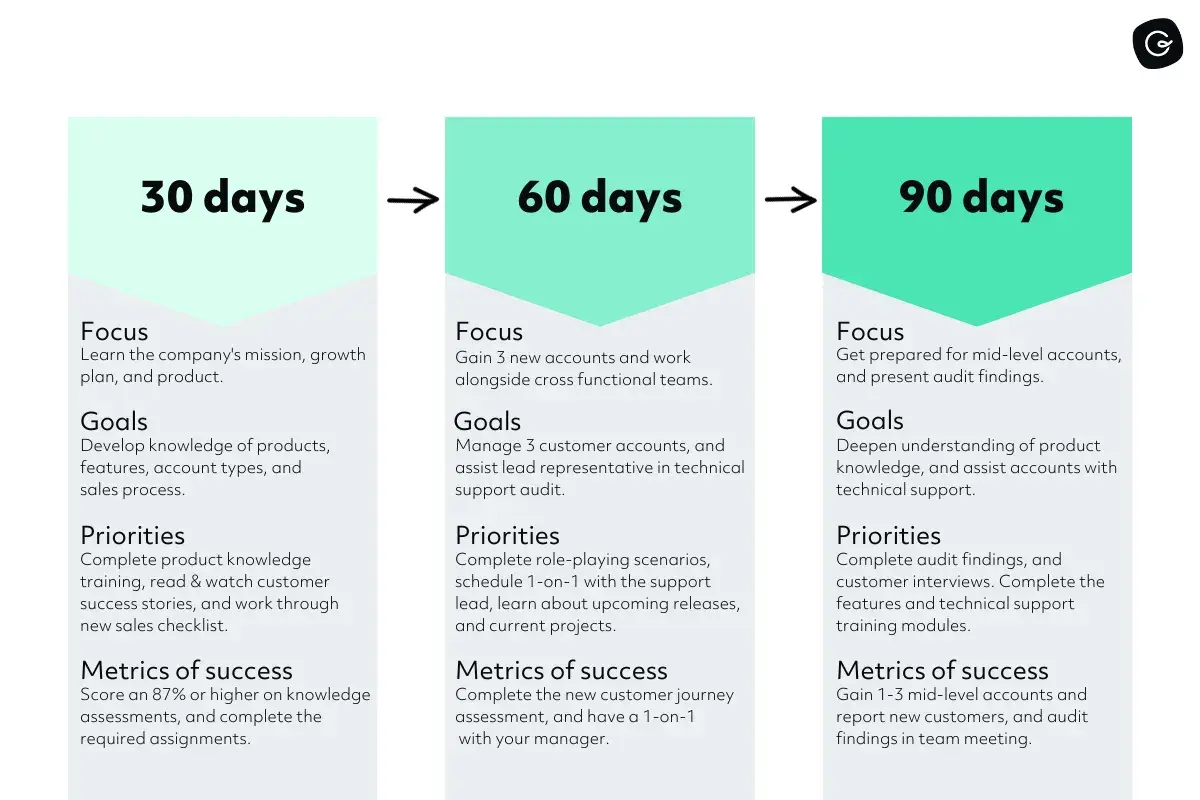
If you are starting in a new leadership role, I would not try to “win trust” with a big performance. I would use a rhythm that makes trust visible over time.
| Timeframe | What to focus on | What the team should feel |
|---|---|---|
| First 30 days | Listen, observe, clarify expectations and learn the informal rules of the team | “They are paying attention and not rushing to impose themselves.” |
| Days 31 to 60 | Keep visible promises, remove blockers and explain how decisions are made | “They are dependable and consistent.” |
| Days 61 to 90 | Delegate meaningful ownership, invite challenge and review progress openly | “They trust us and expect us to grow.” |
This rhythm works because it turns trust into a series of concrete actions instead of a vague leadership aspiration. It also gives you a way to measure yourself honestly. If people still seem hesitant after 90 days, the issue is usually not effort; it is probably consistency, clarity or fairness. That brings us to the habits that quietly undo good work.
The mistakes that damage trust fastest
Some leadership mistakes look minor in the moment and costly later. These are the ones I would watch closely.
| Mistake | Why it hurts trust | Better alternative |
|---|---|---|
| Changing priorities without explanation | People feel like their work can be overturned at any time | Explain what changed and what remains the priority |
| Taking credit for team outcomes | It signals self-interest and discourages ownership | Recognise contributors specifically and publicly |
| Being available only when things are going well | People assume you disappear when support is needed | Show up during pressure as well as success |
| Correcting people in front of others for minor issues | It creates defensiveness and reduces openness | Use private correction unless the issue is genuinely public |
| Saying “my door is always open” but acting rushed and inaccessible | The message feels performative | Set a reliable time and channel for access |
| Hiding bad news until the last minute | People feel managed, not respected | Share what you can early, even if the picture is incomplete |
The pattern behind all of these mistakes is simple: leaders often try to look strong when they should be looking clear. Clarity builds trust faster than performance does. Once you see that, the final test becomes straightforward.
The trust check I would use before a hard call
Before I communicate a difficult decision, I ask myself five questions:
- Is it true?
- Is it timely?
- Is it clear enough for people to act on?
- Is it fair, or at least explainably fair?
- Does it match what I have said and done before?
If the answer to any of those is no, I pause and fix the message or the process before I speak. That is not weakness; it is discipline. In leadership, trust is rarely built by the biggest moment in the room. It is built by the repeated evidence that you are honest, steady and worth following when the answer is uncomfortable.
