
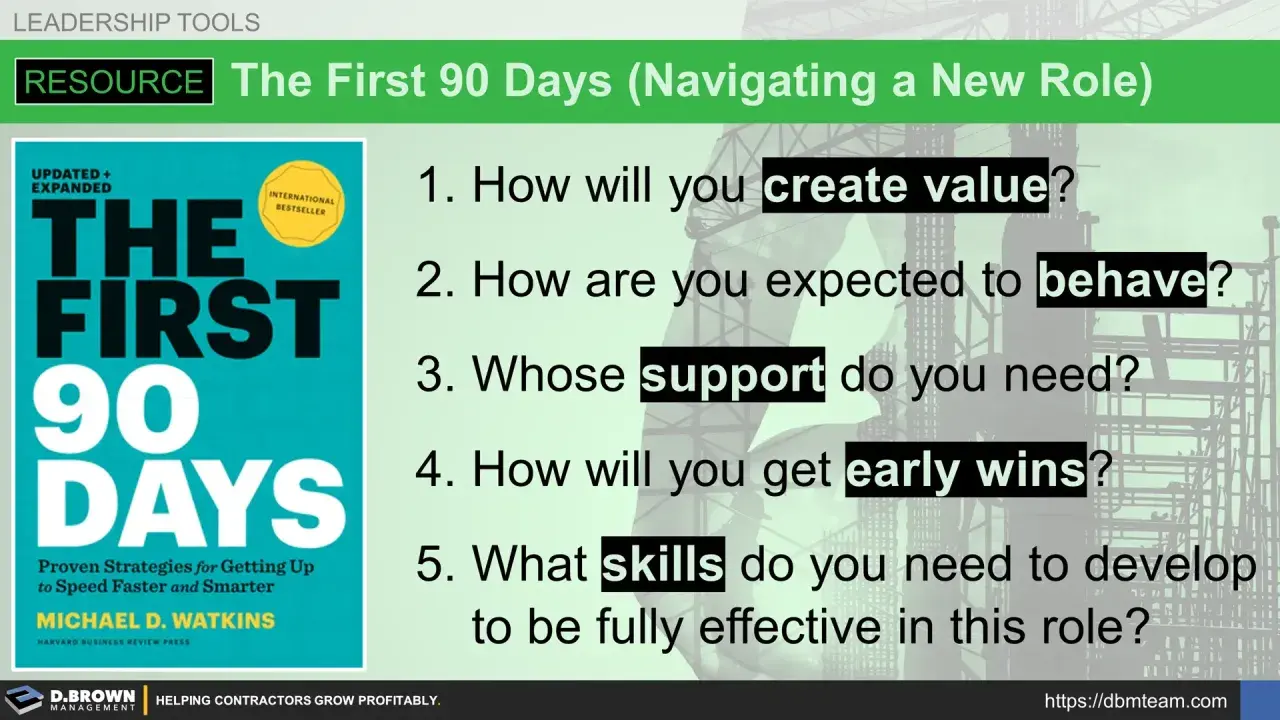
Leadership changes are rarely just a new name on the org chart; they change how trust is built, how decisions are made and how quickly people feel safe enough to act. When the handover is handled badly, teams spend weeks guessing. When it is handled well, the organisation gets momentum instead of confusion. In this article I look at what really shifts, how different types of transition should be handled and what leaders can do in the first 90 days to make the change stick.
The real risk is uncertainty, not the name on the door
- The biggest impact is usually on clarity, decision speed and trust, not just reporting lines.
- Planned succession, abrupt departure, internal promotion and external hiring all need different handling.
- The first 30 to 90 days should focus on listening, stabilising and then aligning on priorities.
- Coaching works best when it helps the new leader read the system, not just make quick wins.
- You can measure progress with a short scorecard covering retention, clarity, delivery and confidence.
What actually shifts when leadership moves
In practice, the title is only the visible part. What changes is the decision rhythm, the level of risk the organisation is willing to take, the stories people tell about what matters and the informal network of influence around the role. I usually think of four layers: authority, relationships, operating pace and culture signals.
- Authority changes who can decide, who must be consulted and where the real veto power sits.
- Relationships change which allies, sceptics and informal leaders the new person needs to win over.
- Operating pace changes whether decisions become faster, slower or more evidence-led.
- Culture signals change what gets praised, challenged or tolerated once the new leader settles in.
That is why a transition should never be treated as a single announcement. It is a shift in how the organisation works, and the next question is which kind of transition you are actually dealing with.
The main transition patterns you actually see
Not every handover creates the same level of disruption. A planned retirement, an abrupt resignation, an internal promotion and an external hire all produce different emotions, different risks and different communication needs. Founder-led businesses can feel this even more sharply, because identity and authority are often tied tightly together.
| Type | What it usually looks like | Main risk | Best first move |
|---|---|---|---|
| Planned succession | There is overlap, a timeline and a named successor. | People assume the change will be easy and leave the real work too late. | Set dates, document decisions and define when authority changes hands. |
| Abrupt departure | Notice is short, rumours start quickly and the team looks for stability. | Uncertainty freezes decisions and weakens confidence. | Name the interim lead fast and communicate what is known, and what is not. |
| Internal promotion | The new leader already knows the business and many of the people. | Old relationships can blur the new authority. | Reset expectations, widen perspective and change the way decisions are made. |
| External hire | The organisation gains fresh thinking but loses familiarity. | Credibility takes longer to build and cultural mistakes are easier to make. | Run a structured listening phase and explain how the new leader will learn the system. |
| Interim cover | Someone steps in temporarily while the longer-term answer is decided. | The role drifts if the scope and timeline stay vague. | Be explicit about authority, limits and the decision date for the next step. |
The pattern matters because it tells you what kind of friction to expect. Once that is clear, it becomes much easier to understand why teams react the way they do.
Why teams react strongly to a new leader
I rarely see resistance that is purely emotional. It usually has a practical root: people do not know what the new leader values, which decisions are still open or whether the old informal rules still apply. In UK organisations, especially where managers are used to consultation and steady communication, silence is often interpreted as indecision.
The strongest reactions usually come from five places:
- Uncertainty about priorities, because people do not know what will be protected and what will be cut.
- Loss of familiarity, because the previous leader’s style, however imperfect, was at least predictable.
- Status anxiety, because teams start wondering who gains influence and who loses it.
- Change fatigue, because repeated reorganisations make people cautious rather than curious.
- Middle-management pressure, because managers in the middle are expected to translate the change before they fully understand it.
Acas’s leadership guidance makes the same practical point: when someone moves into a new role, the mix of behaviours that matter changes with the context. That is why the first message from the organisation should do three things at once: explain what is changing, explain what is not changing and explain how questions will be handled. Once people stop guessing, the transition becomes easier to steer.

How to make the first 90 days useful rather than noisy
The first 90 days are not about proving brilliance. They are about building enough trust, enough clarity and enough operational grip that the organisation can move without constant escalation. I like to break that period into three stages, because each one has a different job.
Days 1 to 30 focus on listening and stabilising
Meet the direct reports, key peers and the people who quietly hold the system together. Review live risks, current commitments and the unspoken rules that shape how work really gets done. This is the phase where the new leader earns credibility by being disciplined, not flashy.
Days 31 to 60 focus on priorities and decisions
By now, the leader should know which three to five issues matter most. I would expect clearer choices, not more meetings: which projects stay, which decisions should move down the line and which inherited habits need to stop. If everything is treated as urgent, nothing is actually being led.
Days 61 to 90 focus on embedding the new rhythm
At this point the goal is repetition. A clean meeting cadence, a more deliberate delegation model and a visible set of priorities matter more than one-off wins. If the team is still saying, “We are waiting to see what happens next,” the transition is not yet real.
In a crisis, the listening phase can be shorter, but only when the operational need is obvious. Otherwise, speed without diagnosis usually creates a second round of disruption. That is also why coaching matters so much, because it shapes how the leader reads the system before the system starts reading them.
What coaching should focus on
Coaching is most useful when it helps the new leader become diagnostic, not performative. Acas’s leadership guidance is useful here because it reflects a simple truth: when someone moves into a new role, the balance of leadership behaviours they need changes with the role itself. A new director, a promoted team lead and an interim manager do not need the same support.
For the incoming leader
Help them read the unwritten rules, decide where to preserve continuity and where to signal change, and separate genuine urgency from inherited noise. The biggest mistake is overcorrecting in week one just to prove a point. I have seen more damage from that than from cautious listening.
For the outgoing leader
The best exit is clean. They should transfer knowledge, avoid side-channel decisions and make it obvious that the successor has real authority. If they stay too visible, the team often keeps looking backwards, even when everyone says they are moving on.
Read Also: C-Suite Leadership Development - What Really Works in the UK?
For the middle layer
Managers between the top and the front line translate the new direction. If they are confused, everyone below them will be too. This is where short, practical coaching sessions are worth more than another all-hands speech, because they turn strategy into day-to-day behaviour.
The best coaching plan is specific, not generic, which is why the usual failure points are so predictable.
Mistakes that make the handover harder than it needs to be
- Announcing before aligning. If the message goes out before the board, managers or team leads understand the plan, rumours fill the gap.
- Leaving the interim period vague. Temporary arrangements turn messy when nobody knows how long they last or what authority they carry.
- Confusing continuity with stagnation. Keeping everything exactly as it was can feel safe, but it also delays the real work of the new leader.
- Letting the predecessor stay half inside the role. Shadow authority is corrosive. People keep taking cues from the old centre of gravity.
- Chasing quick wins before understanding the system. Some changes improve optics, not performance. Teams notice the difference quickly.
- Ignoring the people who translate the change. Middle managers, project leads and team supervisors do most of the interpretation.
The pattern behind all six mistakes is the same: leaders underestimate how much clarity the organisation needs and how quickly ambiguity becomes expensive. Once that is recognised, measurement becomes much easier.
How to know whether the transition is working
I prefer a short scorecard over a vague sense that things feel better. If I were setting this up, I would use a five-question pulse at 30, 60 and 90 days rather than a long annual survey. You want a fast read on clarity, confidence and trust while the transition is still active.
| Signal | What healthy looks like | What trouble looks like |
|---|---|---|
| Decision speed | Decisions are made without repeated escalation. | Everything waits for the new leader’s sign-off. |
| Clarity of priorities | Managers can explain the top priorities in the same language. | Different teams tell different stories about what matters. |
| Retention of key people | Critical staff stay engaged and visible. | Unexpected departures or quiet disengagement appear. |
| Project delivery | Core work keeps moving and deadlines remain realistic. | Projects stall because people are waiting for direction. |
| Trust in the new leader | Questions are asked directly and concerns are handled openly. | Rumours and side conversations start to dominate. |
By day 90, the organisation should feel less fragile, not more performative. If the signals are moving the wrong way, the problem is usually not talent alone, but the system around the role. That is the real test of leadership, and it is where the transition either becomes a strength or keeps draining energy.
What a stronger organisation looks like after the handover
The best outcome is not just a new person in place. It is a clearer operating model, a stronger bench and a team that does not depend on one style of leadership to function. That is the difference between a short-term announcement and a real organisational upgrade.
- Decision rights are clearer, so people know when to act and when to escalate.
- The successor has real authority, so the old centre of gravity does not keep pulling the team backwards.
- Managers at every level understand their role in carrying the change.
- Coaching becomes part of normal leadership development, not just a rescue tool after a problem.
That is the standard I use: fewer shadows, fewer surprises and a team that knows how to move even when the top changes again.
