
The essentials at a glance
- A good plan defines who needs what information, when they need it, and what action is expected.
- It mixes top-down updates with two-way feedback so communication does not turn into a broadcast channel.
- Line managers matter because they translate leadership intent into day-to-day clarity.
- Different messages need different channels; urgent policy changes and casual updates should not travel the same way.
- Success is measured by understanding and behaviour, not by open rates alone.
Why workplace communication breaks down when it becomes a broadcast
I usually see communication fail for one simple reason: the organisation speaks, but employees do not feel included in the conversation. Gallup has found that only 13% of employees strongly agree that leadership communicates effectively with the rest of the organisation, which tells me the issue is rarely message volume. More often, the problem is poor timing, vague ownership, inconsistent channels, and a lack of follow-through.
Broadcast-style communication also creates a strange illusion of progress. Leaders can say the message went out, managers can say the newsletter was sent, and nobody can prove that people understood what it meant for their work. That is where trust starts to slip, because employees are asked to absorb decisions they did not help shape and may not even fully understand.
- Too much noise makes important messages harder to notice.
- Too little context leaves people guessing why a change is happening.
- Too few feedback loops means leadership hears silence and assumes agreement.
- Too much consistency of tone can make serious issues sound cosmetic.
The organisations that communicate well are usually not louder. They are clearer, more deliberate, and far better at matching the message to the moment. That means the next step is to define the system before you choose the channels.
The pieces every usable plan needs
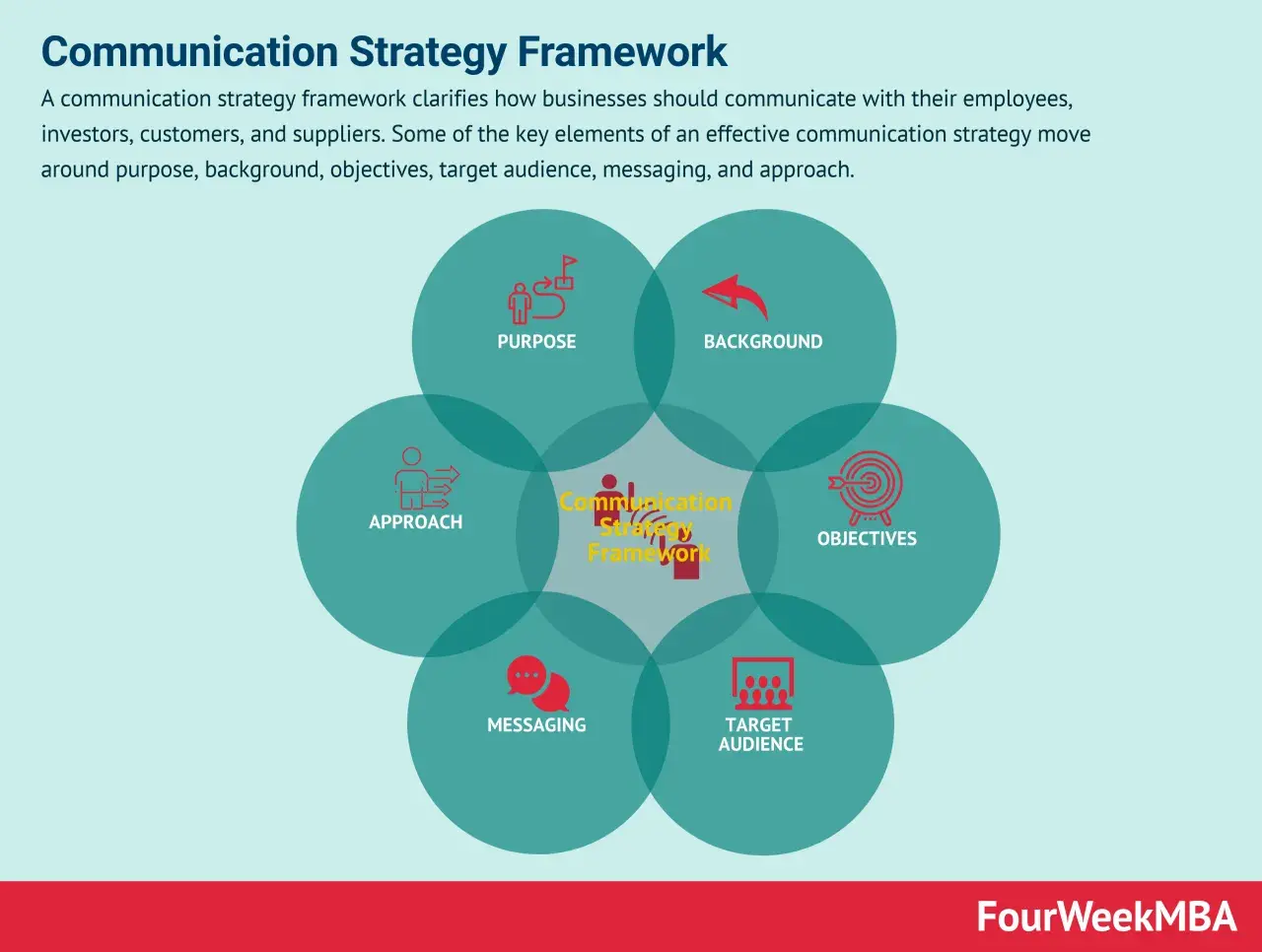
CIPD’s employee communication guidance highlights line managers, tailored messages, and multi-directional dialogue, and that is the right place to start. A useful plan is not a calendar of announcements; it is a working model for how information, decisions, and employee voice move through the organisation. I would break it into a few practical parts.
| Element | What it answers | Why it matters |
|---|---|---|
| Audience | Who needs this information? | Different teams need different levels of detail and different context. |
| Purpose | Are we informing, aligning, teaching, or asking for action? | Messages fail when the goal is unclear. |
| Channel | Where should the message live? | The same update may need an email, a manager briefing, and a live Q&A. |
| Cadence | How often should it be repeated or refreshed? | Employees need rhythm, not random bursts. |
| Owner | Who is responsible for accuracy and timing? | A message without an owner usually arrives late or inconsistent. |
| Feedback loop | How will people respond or ask questions? | Two-way communication is what turns information into alignment. |
| Measurement | How will we know if it worked? | Reach is not the same as understanding. |
When those pieces are defined, communication becomes much easier to manage. You stop improvising every update and start running a repeatable system, which is exactly what most busy organisations need. From there, the real work is designing it step by step.
How to build the plan step by step
If I were building this from scratch, I would keep the process simple and disciplined. Most organisations do not need a grand framework; they need a structure that helps leaders, managers, and employees move in the same direction.
- Define the business outcome first. Decide what the organisation needs employees to understand or do, such as adopting a new process, supporting a change, or improving service consistency.
- Segment your audience. A warehouse team, a sales team, and a head office team will not need the same framing. Location, shift pattern, seniority, and job type all affect how communication lands.
- Map the message types. Split messages into categories such as strategy, policy, operational updates, change communication, recognition, and feedback. This prevents everything from being forced through the same channel.
- Assign owners and managers. Senior leaders should handle direction and context. Line managers should handle translation, questions, and local relevance. In practice, I would rather see one well-briefed manager than three extra emails.
- Build in review points. Set moments to check whether messages are being understood, whether questions keep recurring, and whether the communication rhythm still matches the pace of change.
The key is to make the plan usable under pressure. If it only works when everyone has spare time, it will not survive a busy quarter, a restructure, or a crisis. That is why channel choice matters so much.

Choose channels by message, not habit
The fastest way to weaken communication is to use one channel for everything. Email is not wrong, Teams is not wrong, and town halls are not wrong, but each one does a different job. I find it helps to think of channels as tools with limits rather than as a communication identity.
| Channel | Best for | Strength | Limitation |
|---|---|---|---|
| Formal updates, policy changes, next steps | Searchable, easy to distribute, good for record keeping | Easy to ignore if overused | |
| Intranet | Reference documents, FAQs, long-form guidance | Good for stable content and repeated access | Low visibility unless people are reminded to check it |
| Teams or Slack | Quick coordination, reminders, short clarifications | Fast and conversational | Can create noise and fragmented threads |
| Town hall | Strategy, change, leadership visibility | Good for context and shared understanding | Weak if it is one-way and no one can ask questions |
| Manager briefing | Local translation and team-level action | Highly relevant and personal | Depends on manager confidence and preparation |
| Pulse survey or feedback form | Questions, sentiment, issue spotting | Creates a real listening loop | Useless if the results are never acted on |
For UK teams working across sites, shifts, and home offices, the strongest pattern is usually layered communication: leadership sets direction, managers translate it, and employees get a way to respond. That gives people both clarity and a sense that their voice counts. Once that is in place, the next job is proving that it actually works.
Measure whether people understood and acted
Good communication should change something observable. It might improve understanding, reduce confusion, increase completion rates, or surface better questions. I would avoid treating open rates as the main success metric, because they only tell you that a message reached an inbox, not that it landed.
| Metric | What it tells you | Common trap |
|---|---|---|
| Open and click rates | Whether people saw the message | Assuming visibility equals understanding |
| Attendance or participation | Whether people showed up for live communication | Counting bodies, not engagement |
| Pulse survey results | Whether employees feel informed and listened to | Collecting data and then doing nothing with it |
| Manager feedback | What confusion is showing up at team level | Ignoring the front line where misunderstanding appears first |
| Action completion | Whether people actually did what was asked | Confusing intention with execution |
| Recurring questions | Which parts of the message were unclear | Assuming repeated questions are resistance rather than a signal to improve the message |
My preferred approach is to measure three layers: delivery, understanding, and behaviour. If delivery is high but understanding is weak, the message needs rewriting. If understanding is high but behaviour does not change, the issue is usually ownership, timing, or manager support. That distinction is where communication starts becoming strategic rather than decorative.
The mistakes that quietly erode trust
Most communication damage comes from habits that seem efficient in the short term but expensive over time. The organisation keeps moving, but trust gets thinner and thinner.
- Announcing before managers are ready. Employees often judge a message by how well their manager can explain it.
- Sending everything to everyone. When every update feels universal, nothing feels relevant.
- Using reassurance instead of facts. People can handle uncertainty better than they can handle spin.
- Ignoring silence. No questions does not always mean no concerns.
- Running feedback as theatre. If employees never see a response to their input, they stop contributing.
- Changing tone from one leader to another. Inconsistency is one of the fastest ways to make the organisation sound less credible.
What usually works better is slower, more disciplined communication with a clear owner, a real question channel, and messages that are short enough to be absorbed. That may sound plain, but plain communication is often what people trust most. The final step is deciding what to fix first.
The first changes I would make in most organisations
If the current system feels messy, I would not start by adding another newsletter or another platform. I would start with a few improvements that create immediate clarity and reduce friction.
- Create one message map for recurring topics such as strategy, change, policy, and performance. It keeps leaders aligned.
- Brief managers before company-wide updates so local conversations do not lag behind central announcements.
- Replace one low-value channel with a proper feedback loop. Listening is a function, not a slogan.
- Write for action by making the next step obvious in every important message.
That is usually enough to turn a noisy communication environment into something employees can actually navigate. When people know what is happening, why it matters, and where to ask questions, the organisation feels more coherent, and leadership gets the benefit of faster alignment, fewer misunderstandings, and better execution.
