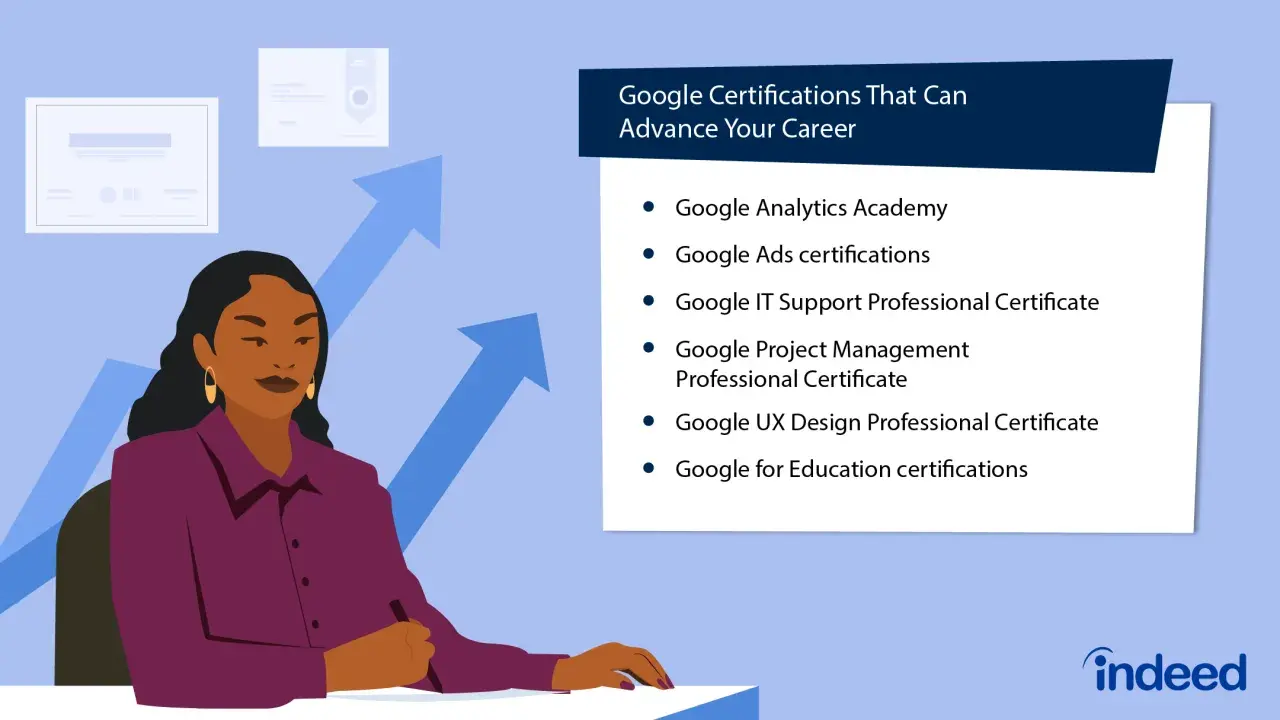
A career change does not always require a four-year degree, but it does require credible skills and proof that you can use them. Google Career Certificates offer flexible, online training for fields such as data analytics, cybersecurity, IT support, project management, UX design, and digital marketing. I’ll explain what the programs include, how much they cost in the United States, which pathway fits different goals, and what it takes to turn the certificate into an actual career advantage.
The essentials for choosing a Google career program
- Six core fields include data analytics, cybersecurity, digital marketing and e-commerce, IT support, project management, and UX design.
- Most learners finish in 3 to 6 months with fewer than 10 hours of study per week.
- The U.S. subscription costs $49 per month after a 7-day trial, so completing a program in four months costs about $196 before taxes.
- No degree or previous experience is required, although consistent practice is essential.
- The credential can strengthen a resume, but projects, communication skills, and targeted applications still determine hiring results.
What these certificates actually offer
These are structured, self-paced programs delivered online through Coursera and designed with Google subject-matter experts. They combine video lessons, graded assessments, and practical projects, with many programs requiring 150 or more hours of study.
The important distinction is that this is job-focused training, not a traditional academic degree. You learn tools and workflows used in entry-level roles, then finish with a credential that can be added to a resume or professional profile. I consider that a useful starting point for career changers, provided they do not mistake a certificate for an automatic job offer.
Google also offers shorter Career Essentials courses, advanced certificates, and newer AI-focused programs. The essentials courses are useful for adding one skill to an existing role, while advanced options such as Advanced Data Analytics, Business Intelligence, and IT Automation with Python are better suited to learners who already have a foundation.
Which program matches your career goal
| Program area | Best fit for | Typical practical focus |
|---|---|---|
| Data analytics | People who enjoy patterns, numbers, and business questions | Spreadsheets, SQL, data visualization, and Python |
| Cybersecurity | Detail-oriented learners interested in protecting systems | Security risks, networks, Linux, and incident response |
| IT support | People who like troubleshooting and helping users | Networking, operating systems, system administration, and support |
| Project management | Organized communicators who coordinate people and deadlines | Planning, stakeholder communication, risk, and Agile methods |
| UX design | Creative problem-solvers interested in digital products | User research, wireframes, prototypes, and usability testing |
| Digital marketing and e-commerce | People drawn to content, online growth, and customer behavior | Search, analytics, social media, email, and online stores |
I would choose the field based on the work itself, not on the most attractive salary headline. Someone who dislikes repetitive troubleshooting will probably struggle in IT support, just as someone uncomfortable with numbers may find analytics frustrating. A realistic match between your strengths and the daily tasks matters more than the brand printed on the certificate.
How much it costs and how long it takes
In the United States, the standard price is $49 per month after a 7-day free trial. Because the subscription is time-based, moving quickly reduces the total cost. A three-month completion costs approximately $147, while six months costs approximately $294, before taxes or any available discounts.
The advertised pace is usually under 10 hours per week, with completion often taking three to six months. That estimate is realistic for a learner who studies consistently. If you work full time, have caregiving responsibilities, or need to repeat technical exercises, planning for six months is more sensible than assuming you will finish in a few weeks.
Financial assistance may be available through Coursera, employers, workforce agencies, schools, nonprofit organizations, or local programs. I would check those options before paying, particularly if you are unemployed or changing careers. A small reduction in monthly cost can make the difference between completing the program and abandoning it halfway through.
Are Google certificates recognized by employers
They are recognized as an industry credential, especially for entry-level roles and career transitions. Google says its Employer Consortium includes more than 150 U.S. companies, and certificate graduates can receive access to career resources such as coaching, interview preparation, resume support, and employer connections.
Recognition is not the same as a guarantee. Recruiters may appreciate the credential, but they still need evidence that you can perform the work. For that reason, I would treat the certificate as a door opener and the practical portfolio as the stronger proof.
For example, an aspiring data analyst should present a clear project that explains a business question, shows how the data was cleaned, and communicates the recommendation in plain language. A UX learner should show the research process and design decisions, not only polished screens. The certificate creates context, while the work sample demonstrates ability.
Some programs also carry an ACE credit recommendation of up to 15 college credits. That does not mean every college will accept them automatically. Each institution decides whether and how those credits apply, so prospective students should confirm the policy directly with the school before relying on them.
How to get real career value from the program
Choose one target role first
Start with a job title such as junior data analyst, help desk technician, project coordinator, or UX designer. Then read 15 to 20 current U.S. job postings and note the repeated tools, responsibilities, and soft skills. This simple exercise prevents you from collecting courses without knowing what employers actually request.
Build evidence while learning
Do not wait until the final week to think about your portfolio. Save strong assignments, improve them with your own data or scenario, and explain the decisions behind your work. Three well-presented projects are usually more persuasive than a long list of completed lessons.
Translate the credential into employer language
Place the certificate under a clear education or professional development section, then describe what you can do. “Completed Google training” is vague. “Created a dashboard, cleaned datasets with SQL, and presented recommendations to a nontechnical audience” gives a hiring manager something concrete to evaluate.
Read Also: Postgraduate Certificate UK - Is It Worth It For Your Career?
Apply before you feel completely ready
Many beginners wait until they meet every requirement in a job description. That is a mistake. Apply when you can demonstrate the core tasks, especially if the posting describes the role as entry level. Use each rejection or interview question to identify the next skill worth practicing.
It also helps to understand the applicant tracking system, or ATS. This software scans resumes for relevant terms before a recruiter reviews them, so naturally mentioning tools such as SQL, Python, Jira, Figma, or Google Analytics can improve the chance that your application reaches a human reader.
Where the programs have limits
A certificate will not replace experience in a regulated profession, advanced technical role, or position that requires a formal license. It also cannot compensate for weak communication, an unfocused resume, or a portfolio that looks copied from course instructions.
The programs are introductory by design. A cybersecurity learner may still need deeper networking knowledge, labs, and security certifications for more competitive roles. An aspiring analyst may need stronger statistics or industry knowledge. I see the certificate as the first credible layer of a longer development plan, not the entire plan.
There is also a personal trade-off. Self-paced learning sounds flexible, but it removes external deadlines. Learners who need accountability should create a weekly schedule, join a study group, or use a mentor. Without that structure, the low monthly price can become expensive if the subscription continues while progress stops.
How to turn a certificate into a career move
The strongest path is simple: select a target role, complete one relevant program, build a small portfolio, and apply the new skills in a real setting. Volunteer work, an internal project, freelance practice, or a carefully designed personal project can all provide the missing bridge between coursework and professional experience.
My practical recommendation is to judge the program after the first two weeks. If the subject feels promising, commit to a fixed weekly schedule and connect every lesson to a job requirement. If the work feels completely disconnected from the role you want, change direction early rather than finishing a credential that will never support your next move.
Used with that level of intention, a Google certificate can be a cost-effective way to build momentum, test a new career direction, and show employers that your learning has produced something tangible.