
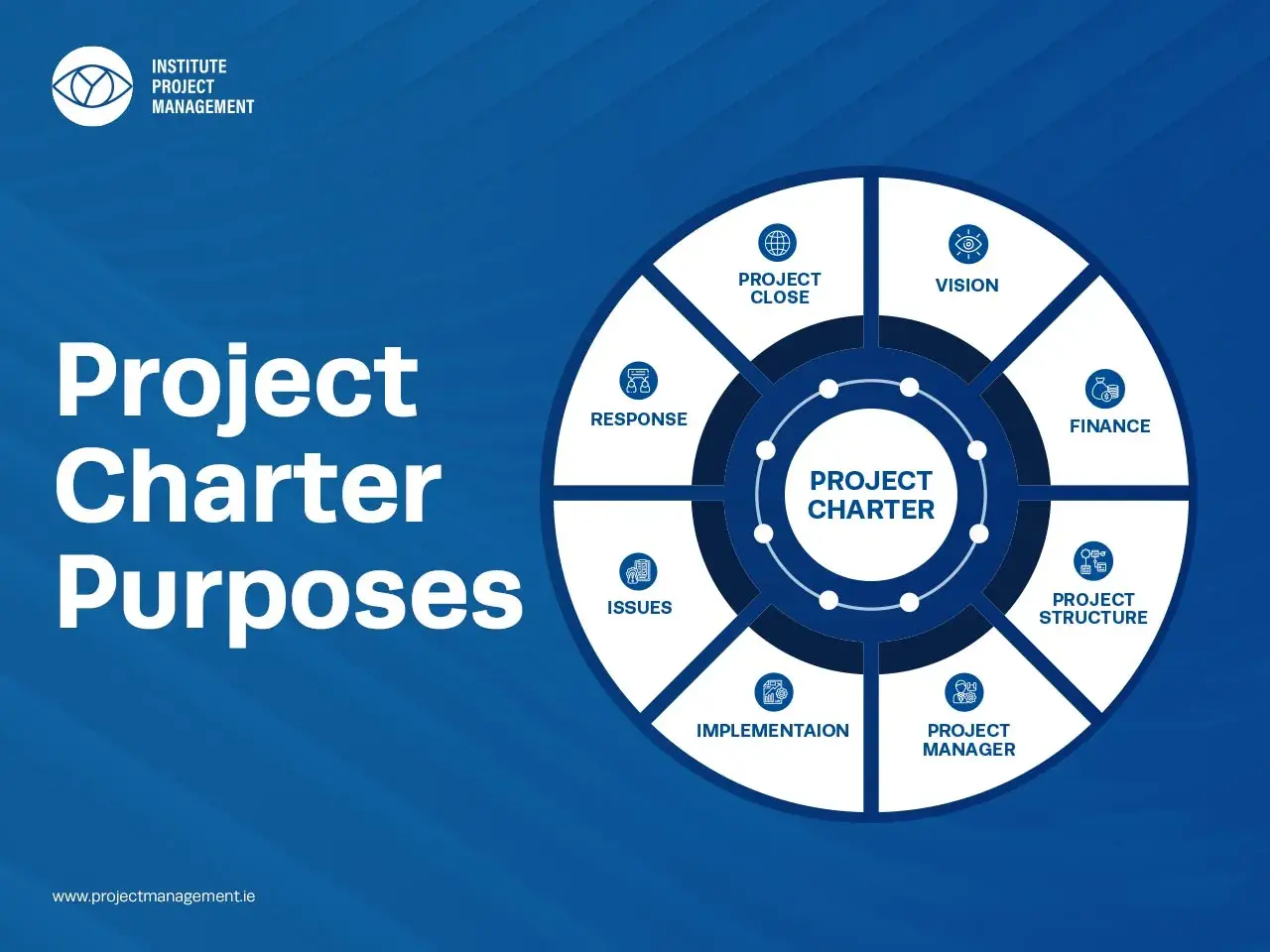
In management, a charter meeting is the point where a project stops being a vague idea and becomes a shared commitment. I use it to lock down purpose, scope, ownership, and the first definition of success before anyone disappears into planning or delivery. This article explains what belongs in the room, how to run the discussion without wasting time, and how to leave with decisions that actually hold up later.
The meeting matters only when it leaves the room with purpose, ownership, and boundaries
- A charter session is for alignment and authority, not detailed scheduling or solution design.
- The most useful output is a short written record of purpose, scope, success criteria, risks, and owners.
- Small internal initiatives can often be handled in 30 to 45 minutes; cross-functional work usually needs 60 to 90.
- In UK organisations, it often sits close to project initiation and may feed a project initiation document.
- If more than 8 to 10 people need a voice, the discussion usually needs tighter facilitation.
What this meeting is really for
I see the session as a short but high-leverage alignment point. It is not a status update, and it is definitely not the place to debate every solution; its job is to confirm whether the work deserves attention, what outcome the organisation wants, and who has the authority to move it forward. In many UK organisations, especially where governance matters, this sits close to project initiation and may feed a project initiation document rather than living as a standalone ritual.
| Meeting type | Main job | Typical output |
|---|---|---|
| Charter session | Agree purpose, scope, authority, and success criteria | Shared charter draft and approval route |
| Kickoff | Launch the team and explain how the work will run | Action list, calendar, communication rhythm |
| Planning meeting | Break work into tasks, milestones, and dependencies | Detailed plan and delivery schedule |
The practical test is simple: if the meeting only leaves people with enthusiasm but no boundaries, it was too vague. Once that distinction is clear, the real work is deciding what must be settled before the room closes.
The decisions that should come out of the room
If I walk out without these answers, I treat the meeting as incomplete:
- Why the work exists - one clear business problem or opportunity.
- What success looks like - a measurable outcome, even if the metrics are still high level.
- What is in scope and what is out - the boundary line that prevents scope creep later.
- Who owns the outcome - the sponsor, manager, or lead who can make decisions.
- What constraints matter - budget, deadline, compliance, capacity, or dependencies.
- What the first actions are - the next three to five moves that turn agreement into motion.
A simple example helps: if a retail team is introducing a new reporting process, the meeting should settle whether the real goal is speed, accuracy, or board-level visibility. If that choice is not made early, every later design decision becomes a compromise between people who were never aligned in the first place. With those choices on paper, the next task is to structure the conversation so the right decisions happen in time.

How I run it step by step
For a small internal initiative, I usually aim for 30 to 45 minutes. Cross-functional work needs 60 to 90 minutes, and a more complex change can justify 90 to 120 if the sponsor, manager, and stakeholders all need to agree on the same boundaries.- Open with the business reason - 5 minutes to explain why the work exists now.
- Confirm the people who can decide - 5 minutes to separate attendees from decision-makers.
- Define purpose and scope - 15 to 20 minutes to agree what the project will and will not do.
- Name success criteria and risks - 15 minutes to capture what matters most and what could derail the work.
- Assign ownership and first actions - 10 minutes to record who does what next.
- Read back the decisions - 5 minutes to check that the written version matches what people actually agreed.
I try not to let the discussion drift into solution design too early. Once a room has more than about 8 to 10 people with a voice, the meeting usually needs tighter facilitation or a second session, otherwise the outcome becomes polite ambiguity. That is where most teams lose momentum, and it is also where mistakes start to multiply.
Common mistakes that weaken the outcome
- Bringing too many people into the room - the more voices you add, the slower decisions become.
- Letting it turn into brainstorming - useful ideas are welcome, but the meeting is about commitment, not idea volume.
- Skipping the sponsor - if the person with authority is absent, the team may agree on things nobody can approve.
- Leaving scope fuzzy - unclear boundaries almost always become scope creep later.
- Not naming assumptions - if something is uncertain, record it as an assumption rather than pretending it is settled.
- Failing to capture decisions the same day - memory is a poor control mechanism.
I have seen strong projects lose weeks because people assumed a verbal agreement was enough. It usually is not. That is why the written trail matters just as much as the conversation, which brings us to the documents that make the meeting useful after everyone has left.
What to document after the meeting
The output should be short, usable, and easy to circulate. I want the first version ready within 24 hours while the discussion is still fresh.
| Document | What it captures | Why it matters |
|---|---|---|
| Charter note | Purpose, scope, success criteria, authority | Gives the project a clear starting point |
| Decision log | What was agreed, by whom, and when | Prevents backtracking and selective memory |
| Action list | Task, owner, due date | Turns agreement into movement |
| Ownership map | Responsible, accountable, consulted, informed | Reduces confusion in cross-functional work |
If the meeting is part of a larger programme, I also like to note dependencies and escalation points. In UK settings where governance can be layered, that small addition helps the team know when to decide locally and when to push an issue upward. Once that trail exists, the next question is whether the work needs a formal session at all, or just a lighter alignment conversation.
When a lighter version is enough
Not every piece of work needs a full formal session. For a small internal change with one owner, a 30-minute alignment call and a one-page note may be enough, especially if the scope is narrow and the risk is low.
- Use the lighter version when the work is local, low risk, and easy to reverse.
- Use the fuller version when the project touches multiple teams, budgets, customers, compliance, or reputation.
- Escalate the formality when the scope is unclear, the deadline is fixed, or the sponsor expects visible governance.
A useful rule of thumb is this: if four or more of those risk factors are present, I would not keep it informal for long. The final measure is not how polished the conversation felt, but whether people can act without guessing.
What success looks like once the room empties
The best outcome is simple: three days later, nobody is still arguing about why the work exists, who owns it, or what is out of scope. People can explain the purpose in one sentence, point to the owner, and name the first next step without checking an email thread.
That is the point of the meeting. It should reduce hidden assumptions, not create a more elegant version of the same confusion. When the sponsor, manager, and core team leave with the same story, the project starts with a real foundation instead of a hopeful one.
