
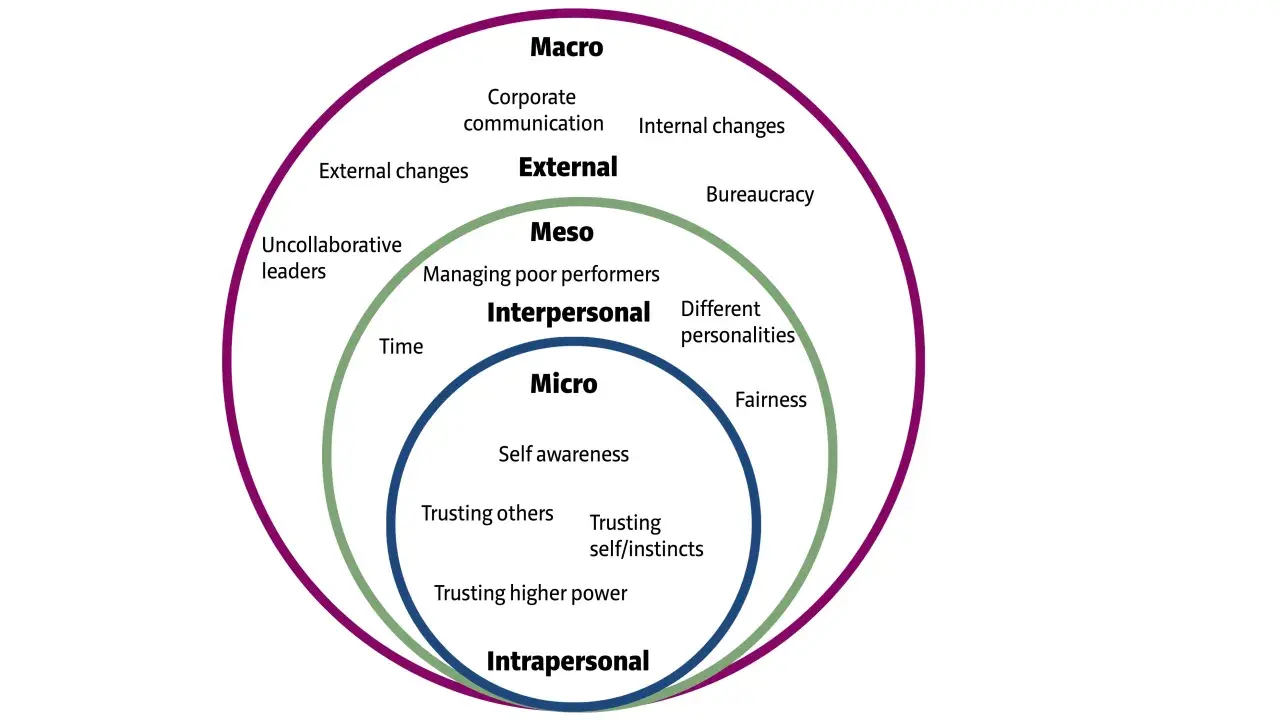
Leadership awareness is not a soft extra; it is the practical skill of noticing how your style shows up in meetings, decisions, conflict, and feedback. In UK organisations, especially where hybrid work and leaner teams have made every interaction count, leaders who understand their impact usually build trust faster and make fewer avoidable mistakes. This article breaks down what the concept really means, how to identify your default style, and which coaching habits make the biggest difference.
The essentials in a few lines
- Self-awareness is only useful when you connect it to how other people actually experience you.
- Your default style can help you move quickly, but it can also create blind spots when pressure rises.
- Feedback from peers, direct reports, and structured reviews is more reliable than introspection alone.
- Coaching habits work best when they are specific, repeated, and tied to real situations.
- Good leadership is not about a perfect style; it is about adapting without losing clarity or accountability.
What leadership awareness really means in day-to-day work
In practice, I treat leadership awareness as the ability to recognise three things at the same time: what you naturally do, why you do it, and how it lands on others. That is more useful than a generic personality label, because a leader is not judged in theory. They are judged in a meeting that runs over, a tense one-to-one, a missed deadline, or a decision that nobody feels safe challenging.
It is easy to think of leadership as a list of qualities, but the real question is simpler: what happens to the team when your style meets pressure? A direct leader may create speed, but also silence. A highly supportive leader may create psychological safety, but also avoid hard calls. A hands-off leader may empower strong people, but leave less confident colleagues without enough structure.
That is why the CIPD places awareness of your strengths, development areas, limits, and impact on others among the core behaviours for people professionals. The point is not self-criticism; it is accurate reading. Once you can read yourself clearly, you can choose a better response instead of running on autopilot. From there, the next step is to identify the style patterns that keep repeating.
The styles most leaders default to without noticing
Most leaders do not use just one style. They tend to have a dominant mode they return to under stress, plus a backup mode they use when they are trying to fix a problem quickly. I find it useful to look at styles this way because the same behaviour can be helpful in one context and harmful in another.
| Style | What it looks like | Where it helps | Blind spot when overused | Useful coaching cue |
|---|---|---|---|---|
| Directive | Clear instructions, fast decisions, tight control of priorities | Crises, short deadlines, low-experience teams | Can feel abrupt, closed, or overly top-down | Ask whether urgency is real or just habitual |
| Coaching | Questions, reflection, development-focused conversations | Growth, capability building, future leaders | Can look slow or evasive if decisions are needed now | Pair questions with a clear next step |
| Collaborative | Group input, shared ownership, broad discussion | Change, cross-functional work, buy-in | Decisions can drag if nobody knows who decides | Define the decision owner before the discussion starts |
| Hands-off | High autonomy, minimal interference, trust in expertise | Senior specialists, mature teams | Can slip into neglect if support is too light | Check whether the team has enough direction, not just freedom |
| Perfectionist | Very high standards, close scrutiny, frequent correction | Quality-sensitive work, risk-heavy decisions | Creates bottlenecks, anxiety, and overchecking | Define what “good enough” means before the work starts |
The useful lesson here is that no style is automatically good or bad. The problem starts when a leader assumes their preferred mode is universally appropriate. Once you know your default pattern, you can start spotting it in real situations instead of discovering it after the team has already adapted around it.

How to spot the style you actually use
The fastest way to understand your real style is to stop asking, “What kind of leader am I?” and start asking, “What do I do when pressure rises?” That is when your habits become visible. Calm conditions hide a lot of leadership noise; deadlines, conflict, and ambiguity reveal it.
- Look at the last five decisions you made under pressure and note whether you became more directive, more cautious, or more withdrawn.
- Review one difficult meeting and check how often you spoke versus how often you asked questions.
- Notice who comes to you early with problems and who waits until they have already tried to solve them alone.
- Track the moments when you interrupt, explain too much, or jump in before someone has finished.
- Compare your intention with the result. If you meant to be helpful but people felt rushed, that gap matters.
A simple 360-style feedback loop is useful here because your own view is always incomplete. One trusted peer, one manager, and a few direct reports can reveal patterns you would never spot from the inside. I also recommend keeping a short reflection note after important meetings: what triggered me, what I did, and what the team likely experienced. After two or three weeks, the pattern usually becomes obvious.
Once you can see the pattern, the next question is whether it is actually helping the team or just helping you feel in control.
Why your impact matters more than your intent
Good intent does not cancel out poor impact. That is the part many managers resist. You can be trying to protect standards, move quickly, or stay calm, and still leave people confused, cautious, or disengaged. What matters is not the story you tell yourself about your behaviour; it is the effect it produces in the room.
Acas treats performance reviews as a chance to discuss what someone is doing well, where they need support or training, and their development objectives. That framing is useful because it reminds us that leadership conversations should create movement, not just judgement. If your tone is sharp, people may stop bringing issues early. If your style is too passive, they may not know what matters most. If you give only praise and no correction, the team may feel comfortable but stall.
In UK workplaces, this matters especially in hybrid teams, where a leader’s tone is often read through short messages, quick calls, and sporadic face-to-face contact. A small signal can carry a lot of weight. One blunt comment in a chat thread can shape how the whole team interprets your leadership for the rest of the week. One carefully handled one-to-one can do the opposite and create trust that lasts.
The practical test is simple: do people leave your interactions clearer, safer, and more capable, or merely more compliant? That answer tells you whether your style is building capability or just producing short-term obedience.
Coaching habits that strengthen awareness quickly
If you want to improve without turning the process into a big personal project, focus on small coaching habits that repeat often. I prefer habits that are tied to real work, because insight without repetition fades quickly.
- End important meetings with two questions: “What did I do that helped?” and “What should I do differently next time?”
- Keep a two-minute trigger log. Write down what happened, what you felt, and what you did before the meeting disappears from memory.
- Replace one piece of advice per day with one coaching question. For example, “What options have you already ruled out?”
- Ask for behaviour-based feedback, not vague praise. “When did I help the team think clearly?” is far better than “How am I doing?”
- Review one decision each week from the quietest person’s perspective. If that person felt ignored, your style needs adjusting.
These habits work because they make the invisible visible. They also train you to slow down just enough to choose a response rather than repeat a reflex. That said, coaching is not the same as avoiding decisions. If the team needs direction, give direction. If a deadline is at risk, be explicit. Coaching improves judgment; it does not remove the need to lead.
The leaders who benefit most from this approach are usually the ones willing to treat every interaction as data, not as a verdict on their identity.
The mistakes that usually slow people down
I see the same mistakes repeated again and again, and most of them come from overconfidence rather than malice. The leader believes they are being constructive, but the system around them starts to show friction.
- Taking feedback personally instead of treating it as evidence about behaviour.
- Confusing humility with passivity and letting difficult decisions drift.
- Asking for feedback and then defending every point as soon as it arrives.
- Changing style once for one meeting and assuming the problem is solved.
- Using a coaching approach when the real issue is poor performance, poor conduct, or a process problem.
- Trying to please everyone and ending up with unclear priorities.
The last point matters more than it sounds. A leader who constantly adapts to avoid tension often becomes unpredictable instead of flexible. People do not need you to be identical in every situation. They need you to be readable, fair, and clear about what changes and what does not.
There are also limits to self-awareness work. If there is a conduct issue, a repeated capability problem, or a situation that needs formal management, coaching alone is the wrong tool. That is not a failure of leadership; it is a sign that leadership has to work alongside process, boundaries, and accountability. From there, the useful question becomes how to keep this awareness alive week after week.
Build leadership awareness into your weekly routine
The biggest mistake is treating awareness as a one-time insight. It is more useful when it becomes part of your rhythm. I usually suggest a simple 30-day cycle because it is long enough to show patterns and short enough that people actually do it.
- Week 1: gather three specific pieces of feedback from people who see you in different contexts.
- Week 2: identify one recurring trigger, such as pressure, silence, challenge, or ambiguity.
- Week 3: test one behaviour change in live work, not in theory.
- Week 4: ask whether people noticed a difference in clarity, trust, or pace.
If you repeat that cycle a few times, you stop guessing about your style and start managing it. That is the real payoff: not becoming a different person, but becoming a more deliberate one. In the long run, that is what makes leadership feel steadier for you and far more usable for everyone around you.
