
The key facts that matter before you compare master's courses
- A standard UK master’s degree is usually 180 credits.
- One credit is typically about 10 hours of notional learning, so 180 credits is roughly 1,800 hours.
- Many full master’s degrees are built from taught modules plus a dissertation or final project.
- Postgraduate certificates are usually 60 credits and postgraduate diplomas are usually 120 credits.
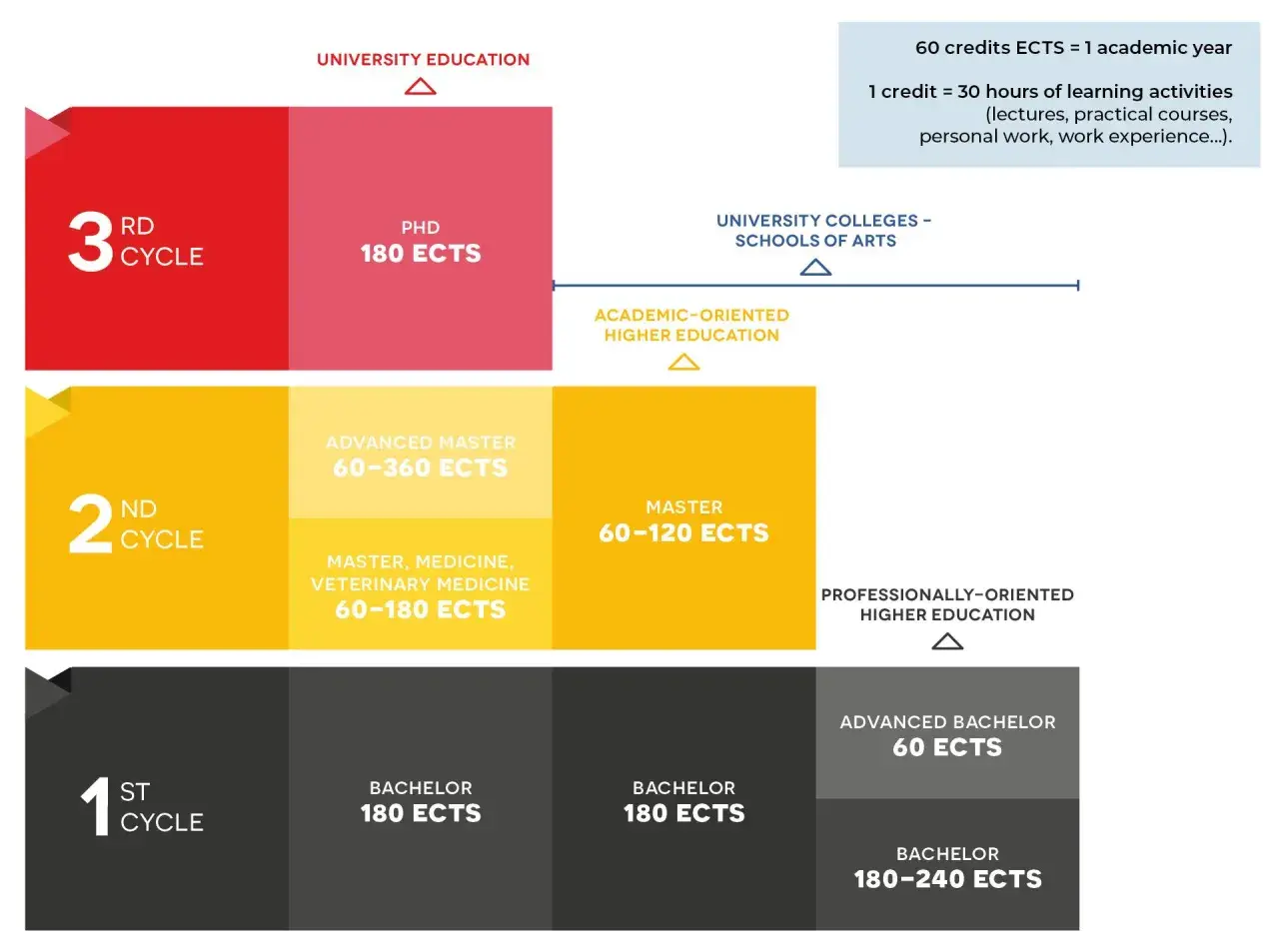
- In European terms, a typical UK master’s often maps to around 90 ECTS.
The usual UK answer is 180 credits
For most people in the UK, the practical answer is simple: a full master’s degree is usually 180 credits. In England, Wales, and Northern Ireland, that normally means at least 150 credits at master’s level, which is the level commonly called Level 7. Level 7 is the postgraduate standard, so this is not just more study time; it is more advanced study, with a higher expectation of independent thinking, analysis, and original argument.
That total also helps explain why a master’s often feels intense even when it lasts only one academic year full-time. Once that is clear, the next question is how universities spend those credits inside the programme.
How universities usually divide the credits across the course
Most taught master’s degrees are not one long block of work. They are usually split into modules, with a larger final project or dissertation at the end. In my experience, that split is where students either gain clarity or get caught off guard, because the headline credit total hides the rhythm of the year.
| Common structure | What it usually means | Why it matters |
|---|---|---|
| 120 taught + 60 dissertation | Coursework and seminars first, then a major independent project | The dissertation often carries a third of the whole award |
| 6 x 30-credit modules | Six substantial modules across the year | Heavy ongoing assessment, usually with a steady weekly workload |
| 3 x 60-credit modules | Fewer but larger units of study | Common in some online and part-time formats, with longer periods of focus |
The 60-credit dissertation is worth paying attention to. It is usually the point where research methods, reading discipline, and self-management matter most. If you want a course that develops leadership, strategic thinking, or sector-specific expertise, this part of the programme often tells you more than the title does. That breakdown matters because it changes both the weekly workload and the way you compare one course with another.
Why postgraduate certificates and diplomas sit below a full master’s
This is where a lot of confusion starts. A 60-credit postgraduate certificate and a 120-credit postgraduate diploma are both real postgraduate awards, but they are not full master’s degrees. They usually sit at the same academic level as part of a master’s programme, yet they stop short of the full 180-credit total.| Award | Typical credits | What it usually means |
|---|---|---|
| Postgraduate certificate | 60 | Often an early exit point or a focused standalone award |
| Postgraduate diploma | 120 | Usually covers the taught stage without the final dissertation |
| Master’s degree | 180 | The full postgraduate award |
That is also why some 120-credit courses can look close to a master’s but still not count as one. The distinction is important for employers, professional bodies, and anyone planning to continue into further study later. In European terms, a typical UK master’s is often around 90 ECTS, which explains why the same qualification can look different on paper across countries. That is why the number on the page has to be read together with the framework behind it.
When the credit total is not the whole story
Credit totals are useful, but they do not tell the whole story on their own. The UK has a few important exceptions and variants, and if you are comparing courses across universities, this is where you need to slow down and read carefully.
Scotland uses its own qualification framework
Scotland follows a separate framework from England, Wales, and Northern Ireland, although the headline number is still usually 180 credits for a master’s degree. The difference is in the level framework and how the credits are described. In practical terms, the important point is that the total workload remains substantial, and most standard master’s awards still sit at the expected postgraduate level. If you are comparing universities across the UK, it is worth checking the nation-specific framework rather than assuming every course is labelled the same way.
Integrated master’s degrees start earlier
Integrated master’s degrees, such as an MEng, are a different route altogether. In England, Wales, and Northern Ireland they are commonly 480 credits in total, with 120 credits at master’s level at the end of the programme. They start at undergraduate level and build into postgraduate study, so they should not be confused with a standalone MA or MSc. That distinction matters if you are comparing them with a postgraduate conversion course or trying to work out what level of study you are really buying.
Read Also: Computer Information Systems Online - UK Guide & Best Courses
Part-time study changes the calendar, not the credit total
A part-time master’s still usually carries the same 180 credits, but the workload is spread over two or more years instead of one. That is useful for working professionals, especially if you are building leadership skills or changing direction while staying in a job. The credit total stays the same; what changes is the pace. For many people, that slower pace makes the course more sustainable, but it also means you need to plan your energy and time more carefully. With that distinction in mind, the practical question becomes how to read a course page without missing a detail.
How to read a course page before you apply
When I compare programmes, I do not stop at the title. I check the structure, the assessment mix, and the exit awards, because those details tell you whether the course is a full master’s, a shorter postgraduate award, or a route that can be topped up later.
| What to check | Why it matters |
|---|---|
| Total credit value | Confirms whether you are looking at a full master’s or a shorter award |
| Credits at master’s level | Shows how much of the course is actually postgraduate-level work |
| Dissertation or project weight | Reveals how much independent research the course expects |
| Exit awards | Shows whether the provider offers a PGCert or PGDip route on the way through |
| Full-time and part-time options | Helps you judge whether the workload fits your working life |
This is also the point where accreditation and professional recognition matter. A course can be 180 credits and still be the wrong choice if it does not align with the career path you want, the standards your profession expects, or the skills you need to advance. Once you know what to check, the final decision becomes much easier to make.
The detail that matters most when you are choosing between similar courses
If I had to reduce the decision to one rule, I would say this: credits tell you the size of the commitment, but the syllabus tells you the value of the commitment. A 180-credit master’s is only useful if the content, assessment style, and professional relevance match your goal. If you want a promotion, a career pivot, or a stronger specialist profile, look for a course that builds the skills you will actually use, not just the degree title that looks strongest at a glance.That is why the best course is not always the one with the most impressive wording. It is the one whose credit structure, level, and assessment model fit the job you want the qualification to do for you.
