
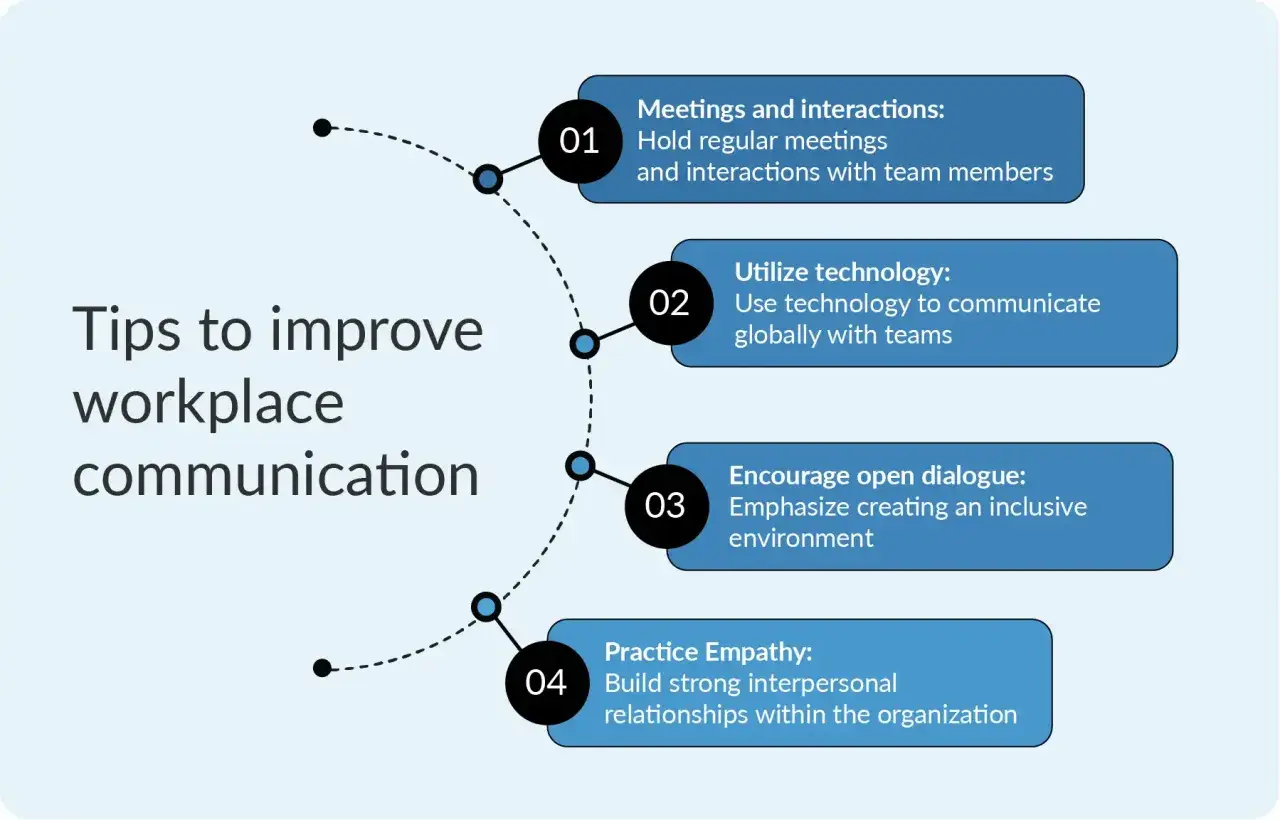
In a busy workplace, the real challenge is not finding something worth saying. It is making sure the message lands before attention moves elsewhere. To break through the noise, you need less decoration and more discipline: one clear point, one obvious action, and the right level of urgency for the person reading it.
What matters most when a message needs to stand out at work
- Attention is scarce, so the first line must explain why the message matters now.
- One message should usually drive one action; too many requests dilute urgency.
- Channel choice matters: email, chat, a call, and a meeting each serve a different job.
- Specificity beats volume. Dates, owners, and outcomes make messages easier to act on.
- Credibility rises when you lead with context, evidence, and a clear recommendation.
- Most weak messages fail because they bury the point, not because the point is wrong.
Why good workplace messages disappear
I see this most often when teams are juggling email, chat, and back-to-back meetings. Microsoft’s Work Trend Index says the average employee spends 57% of the workday communicating, and that interruptions can arrive every two minutes, which helps explain why even useful updates get skimmed or postponed. In that kind of environment, a message is competing with fatigue as much as with other messages.
The result is predictable: people read fast, decide fast, and ignore anything that feels vague, overlong, or low-stakes. If your note forces the reader to work out why it matters, you have already lost some of the attention you need. The answer is not to write more. It is to make the message easier to decode.
- Readers scan for relevance before they scan for detail.
- Long context pushes the actual request too far down the page.
- Unclear ownership makes important updates feel optional.
That means the first job of any message is not explanation; it is orientation. Once that is clear, the next step is learning a structure that lets people grasp the point quickly.

The simplest structure that gets read
I use a simple pattern that works well in email, Teams, and short memos: context, point, action, deadline. It is plain, but plain is often what survives a crowded inbox.
Lead with the point
Open with the conclusion, not the backstory. If the reader only remembers one sentence, it should be the decision, request, or update that matters most.
Give just enough context
Use one or two lines to explain why this is happening now. Anything longer belongs in an attachment, a thread, or a follow-up document.
Make the action impossible to miss
Say exactly what you need from the reader, who owns it, and by when. Vague phrases like “when you get a chance” are usually where good communication goes to die.
End with the consequence or next step
People respond faster when they can see what changes after they act. If there is no follow-on step, say that too, so the message does not feel unfinished.
When the structure is this clear, you do not need to sound louder. You just need to make the route forward obvious, which is why channel choice comes next.
Choose the channel that matches the job
Not every message belongs in chat, and not every issue deserves a meeting. In UK workplaces, I usually think in terms of urgency, sensitivity, and whether the record needs to be searchable later.
| Situation | Best channel | Why it works | Common trap |
|---|---|---|---|
| Quick status update | Chat | Fast, lightweight, and easy to skim | Using chat for anything that needs a paper trail |
| Decision request | Email or short memo | Gives space for context and a clear recommendation | Hiding the ask in a long explanation |
| Sensitive feedback | 1:1 conversation | Tone and nuance carry better in person or by call | Sending criticism in writing before the relationship is ready for it |
| Cross-team alignment | Short meeting with a written recap | Resolves ambiguity, then preserves the decision | Holding a meeting with no pre-read and no follow-up |
| Operational urgency | Call or direct message | Gets an immediate response when time matters | Letting the issue spread across multiple channels without ownership |
The test I use is simple: if the reader needs to react now, use the shortest path to that reaction. If they need to think, choose a format that lets them digest the message once and refer back to it later. That brings us to another factor people underestimate: who the message is for.
Adjust the message for who is reading it
The same idea needs a different shape depending on whether you are speaking upwards, sideways, or downwards. This is one of those workplace skills that looks minor until it is done badly.
When you are writing to a manager
Lead with the decision, the risk, and your recommendation. Managers usually want to know what matters, what you need, and what happens if nothing changes.
When you are writing to a peer
Keep it collaborative and practical. Peers respond well to messages that respect their workload and make the request easy to act on without extra back-and-forth.
Read Also: Respectful Communication - Why It Transforms Your Workplace
When you are writing to your team
Be explicit about ownership, timing, and standards. Teams do better when the message tells them not just what to do, but how success will be judged.
In practice, audience tuning often makes a bigger difference than fancy wording. Once the reader feels the message was written for their role, they are far more likely to give it a fair read, which is why specificity matters so much.
Use proof and specificity without sounding robotic
Clarity is persuasive because it reduces effort. I would rather read a short message with one real number than a polished paragraph full of vague confidence. Specific details tell the reader that the sender has done the thinking already.
- Use dates, not “soon”.
- Use owners, not “someone”.
- Use outcomes, not “improvements”.
- Use one meaningful number when it helps the reader judge scale.
For example, “We need this by Thursday” is better than “Can you get this over to me at some point?” and “The draft is 12% under budget” is more useful than “The draft is a bit off.” The first version gives the reader a task. The second gives them a feeling.
I also prefer to name the practical consequence whenever it is real: “If we miss this deadline, the client deck will go out without the final figures.” That kind of line is not dramatic; it is useful. It tells the reader why the request deserves attention now, not later.
The habits that bury important messages
Most communication failures are not exotic. They are habits that seem harmless in the moment and expensive in hindsight.
| Mistake | Why it fails | Better move |
|---|---|---|
| Starting with a long preamble | The key point gets lost before the reader reaches it | Say the request or update in the first line |
| Including too many asks in one note | Attention fragments and nothing feels urgent | Split the message into separate actions |
| Leaving out the owner | No one knows who is supposed to move next | Name the person responsible |
| Using soft deadlines | Urgency evaporates | Use a real time and date |
| Burying the ask in background detail | The reader works too hard to find the point | Put the action at the top and move detail lower down |
| Sending to the wrong audience | The message feels irrelevant or overly detailed | Match the channel and tone to the reader’s role |
There is a pattern here: weak messages usually ask the reader to do the sender’s thinking. Strong messages do the thinking first, then present the result cleanly. That shift is small, but it changes how the message feels to the person receiving it.
A practical filter for the next message you send
Before I send anything important, I ask three questions: what is the point, what is the action, and who actually needs to see this? If I cannot answer those in a sentence or two, the message is not ready yet.
- Can the reader understand the purpose from the first screen or first paragraph?
- Is there only one clear action, owner, and deadline?
- Would a different channel work better for this level of urgency or sensitivity?
If the answer to those questions is yes, the message has a real chance of standing out without trying to perform for attention. That is the quiet advantage of strong workplace communication: it feels calm to the sender and obvious to the reader.
