
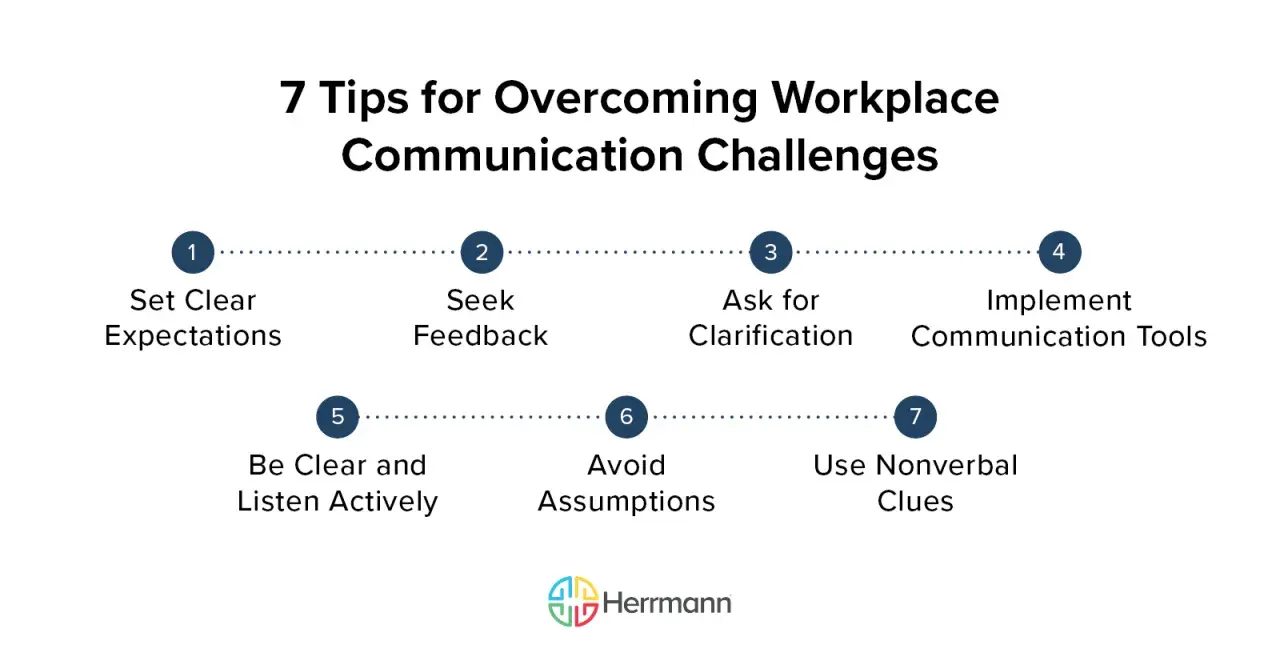
The essentials for clearer workplace communication
- Communication consultancy combines strategy, messaging, channel planning, coaching, and delivery.
- The most common workplace issues are inconsistent messages, weak manager cascades, change fatigue, and poor feedback loops.
- Good work is measured by understanding, behaviour change, and fewer avoidable escalations, not by open rates alone.
- In the UK, consultation and two-way dialogue matter when decisions affect people’s jobs, routines, or confidence.
- The best partner can diagnose the problem, shape the plan, and help execute it in day-to-day operations.
What a communications consultancy actually does
At its best, this kind of consultancy sits between business strategy and human behaviour. It takes a goal such as a restructure, a culture shift, a new policy, or a leadership reset, then turns it into a message system people can actually understand and act on.
I usually think of the work in six parts. First comes diagnosis, which means finding out what employees, managers, and stakeholders are hearing now. Then comes message architecture, the structured narrative that defines the core story, proof points, local variations, and the action people should take. After that there is channel design, which is less about picking every possible platform and more about deciding which channel does what job.
- Audit and insight to find gaps, contradictions, and audience blind spots.
- Strategy and narrative to align messages with business goals.
- Content and channel planning to match the message to the right format and cadence.
- Leader and manager support so the message is delivered consistently by the people employees actually listen to.
- Change and consultation support for organisational shifts, restructures, policy updates, and transformations.
- Crisis and issues planning so the organisation is not improvising under pressure.
The important point is that this is not just copywriting. It is a mix of thinking, sequencing, and execution discipline, and once that distinction is clear, the real question becomes which workplace problems the work should solve first.
The workplace problems it solves in UK organisations
Most organisations do not need more content. They need fewer mixed signals. In practice, the biggest issues are usually inconsistent messaging between senior leaders and line managers, overloaded channels, and teams that are technically informed but still unsure what to do next.
Hybrid working has made this harder. When people are split between office, home, client sites, and shift patterns, information reaches them at different times and in different formats. That is why the role of the line manager matters so much: they are the person who translates strategy into daily reality, whether the topic is performance, wellbeing, change, or priorities.
There is also the consultation problem. In UK workplaces, people often assume communication means broadcasting a decision, but that is not enough when the decision affects people’s work. The stronger model is two-way: explain the issue, listen to concerns, and show how that input shaped the final call. That approach reduces resistance because people can see that the organisation is not performing transparency, it is practising it.Another common pain point is employee voice. If the only feedback route is an annual survey, the organisation is usually hearing too little, too late. The better question is whether people have safe, regular ways to raise concerns before those concerns turn into disengagement, silence, or conflict. Once you know which of those problems is most urgent, the service menu becomes much easier to judge.

What the service menu should include
A good communication partner should not sell a vague bundle of “support”. It should offer clear services tied to a real business outcome. If the provider cannot explain exactly what each service changes in the workplace, the offer is probably too loose.| Service area | What it covers | Why it matters | Typical output |
|---|---|---|---|
| Communication audit | Reviews channels, messages, audience needs, and gaps | Shows what is working, what is duplicated, and what is being missed | Findings report, channel map, priority actions |
| Strategy and narrative | Defines the core story, priorities, audience segments, and tone | Keeps leaders aligned and makes execution easier | Messaging framework, audience plan, key messages |
| Change communication | Supports restructures, policy shifts, tech rollouts, and transformation | Reduces uncertainty and helps people understand what changes for them | Change plan, timelines, manager briefings, Q&As |
| Leader and manager enablement | Creates toolkits, talking points, and briefing support for managers | Improves message consistency where it matters most | Manager packs, briefing notes, coaching sessions |
| Employee voice and consultation | Builds listening channels, feedback loops, and consultation plans | Creates real two-way dialogue instead of one-way broadcasting | Consultation plan, pulse surveys, forums, feedback summaries |
| Crisis and issues comms | Prepares holding lines, roles, approvals, and response sequences | Prevents confusion when speed matters | Crisis playbook, templates, response matrix |
For budgeting, I prefer to brief work in three practical shapes: a 2 to 4 week diagnostic when the problem is unclear, a 6 to 8 week strategy sprint when the organisation needs a sharper narrative, or a 3 month execution programme when the issue is implementation rather than ideas. That is a more useful buying lens than asking for “comms support” in the abstract.
Knowing the menu is useful, but the bigger test is how the work gets executed day to day.
How strategy becomes execution
The strongest programmes do not start with content. They start with a sequence. When I work through this kind of project, I want to see a clear path from diagnosis to action, not a pile of slides that everyone agrees are elegant but nobody can use.
- Audit the current state and find the real friction points.
- Define the audience groups and decide what each group needs to know, feel, and do.
- Write the core narrative so leaders, managers, and support teams are not improvising different versions of the same story.
- Choose channels deliberately instead of defaulting to email for everything.
- Equip managers with talking points, local context, and answers to likely objections.
- Create feedback loops so employee responses are captured and used, not filed away.
- Test and refine before scaling, especially when the change is sensitive or operationally complex.
One mistake I see often is overloading the launch moment. If everything is important, nothing is memorable. A better approach is to sequence information: what people need now, what they need next, and what they can learn later. That is especially true in hybrid organisations, where the same announcement may need a live briefing for managers, a written version for dispersed teams, and a follow-up channel for questions.
Execution without measurement turns into activity, so the next step is to decide what success should look like.
How to know whether it is working
Open rates and attendance numbers are useful, but they are not enough. They tell you that a message was delivered, not that it was understood, trusted, or acted on. In 2026, that distinction matters more than ever because attention is fragmented and people are quick to ignore anything that feels generic.
I would track workplace communication across four layers.
- Understanding - can people explain the change, policy, or priority in their own words?
- Confidence - do managers feel equipped to answer questions without guessing?
- Behaviour - are people doing the thing the communication was designed to trigger?
- Signals - are there fewer repeated questions, delays, escalations, or rumours?
A simple rhythm helps here. Review early impact at 30 days, look for behavioural shifts at 60 days, and decide whether the message system needs a reset at 90 days. That does not mean every programme is judged on a quarterly clock, but it does stop teams from treating communication as something that can never be tested.
And if the strongest signals are still weak after launch, the issue is usually not the wording alone. It is often the channel mix, the manager cascade, or the level of trust sitting underneath the message. Once that becomes visible, choosing the right partner is much easier.
How I would choose the right partner in the UK market
The best choice depends on the problem, not the logo. Some providers are stronger on external reputation, some on internal communication, and some on broader business transformation. If I were evaluating options, I would ask which part of the system they can actually improve.| Provider type | Best for | Strength | Limitation |
|---|---|---|---|
| Boutique communications consultancy | Tailored strategy, change messaging, leadership support | Close involvement and fast adaptation | May have less in-house scale for large delivery bursts |
| PR agency | Media, reputation, public-facing narrative | Strong external visibility and press handling | Sometimes lighter on behaviour change and internal adoption |
| Management consultancy | Large transformation, operating model, business alignment | Broad organisational reach and process rigour | Can be less precise on everyday communication detail |
| In-house team with external support | Ongoing delivery and relationship management | Deep context and speed of access | Capacity can be stretched when change peaks |
There are a few questions I would ask before hiring anyone. Who will actually do the work, not just sell it? How do they handle employee voice and consultation when the topic is sensitive? Can they support line managers, not only senior leaders? How do they measure impact after the launch? And have they worked in UK environments where consultation, timing, and tone really matter?
A good comms consultancy should leave you with a clearer system, not just prettier slides. If the team still relies on one person to translate every message, the consultancy has not solved the underlying problem.
The three moves that usually pay off fastest
If the brief is broad and the budget is tight, I would start here. These three moves usually create the fastest improvement in workplace communication because they address the structural issues, not just the symptoms.
- Audit the message flow across leaders, managers, and channels so you can see where the message breaks down.
- Fix the manager toolkit before launching another campaign, because line managers are the multiplier.
- Build a genuine feedback loop so employees can respond and leaders can adjust instead of assuming silence means agreement.
If the organisation can only fund one intervention, I would usually choose the audit first, then the manager layer, then the broader rollout. That order is boring, but it works because it fixes the parts of the system that most often fail in real workplaces. When communication is clear, consistent, and two-way, people waste less time decoding messages and more time doing the work that matters.
