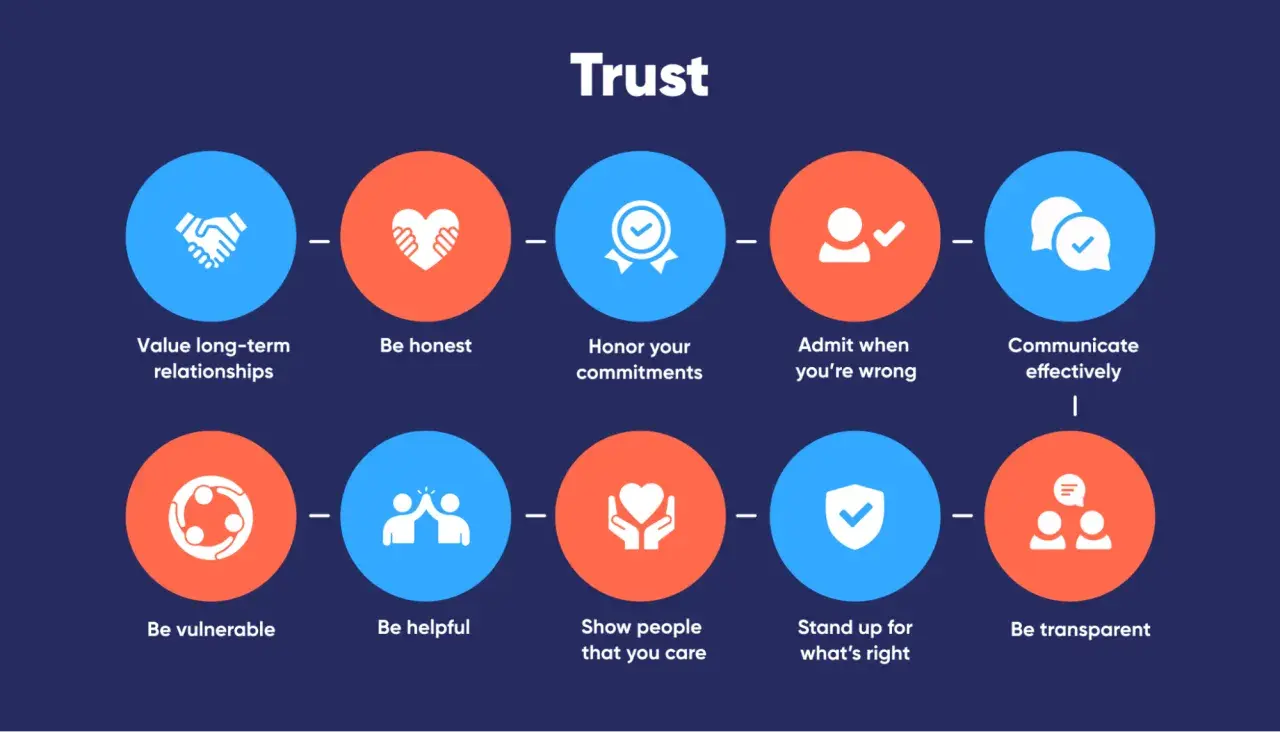
Strong workplace culture rarely fails because people lack ambition; it usually fails because they do not feel safe enough to be honest. When safety and trust are present, people ask better questions, share bad news earlier, and work with less fear. This article looks at how a secure environment changes confidence, what that looks like in day-to-day behaviour, and what UK managers can do to build it in a practical way.
The short version for leaders who need a practical answer
- A secure workplace lowers fear, which makes people more willing to speak up, admit mistakes, and solve problems early.
- Trust is visible in small behaviours: clear expectations, fair feedback, consistent decisions, and follow-through.
- In the UK, employers are expected to manage wellbeing and stress through sensible risk assessment and action, not just policy documents.
- The biggest culture shifts usually come from line managers, because everyday reactions matter more than values posters.
- Progress should be measured with listening, absence, turnover, and issue resolution, not gut feeling alone.
Why a secure environment changes behaviour
A secure workplace is not a soft workplace. It is one where expectations are clear, rules are applied consistently, and people know they will not be shamed for speaking up. That matters because confidence grows when the cost of being honest is low.
The HSE treats organisational culture as the way people do things around here, and that is a useful way to think about it. Management style, communication, worker involvement, and training shape the culture far more than any slogan on the wall. In practice, people change their behaviour the moment they believe reporting a problem will lead to action rather than blame.
I tend to treat psychological safety as a performance issue, not a comfort issue. It lets people raise hazards, question a deadline, or admit a mistake before the problem becomes expensive. Once that idea clicks, the next step is learning how trust shows up in ordinary team interactions.
What trust looks like in everyday workplace culture
Trust is easier to spot in behaviour than in mission statements. I usually look for the small moments below, because they reveal whether a team feels protected or exposed.
| Signal | Low-trust version | Healthy version | Why it matters |
|---|---|---|---|
| Raising a concern | People wait until the issue has become unmanageable. | People raise it early and expect a calm, serious response. | Early warning saves time, money, and morale. |
| Receiving feedback | Feedback feels vague, defensive, or personal. | Feedback is specific, private, and tied to improvement. | People can learn without feeling diminished. |
| Change announcements | Rumours fill the gap before the formal message arrives. | Reasons, timing, and impact are explained quickly. | Uncertainty drops when people understand what is changing. |
| Work allocation | Tasks feel arbitrary or based on favourites. | Work is assigned transparently and with clear logic. | Fairness is one of the fastest ways to build confidence. |
| Meetings | Silence is treated as agreement. | Questions and challenge are expected. | Teams make better decisions when disagreement is allowed. |
Healthy teams still disagree. The difference is that disagreement is not treated as disloyalty, and correction is not handled as a public performance. That is the kind of environment where confidence becomes steady rather than fragile, and it depends heavily on the habits managers repeat every week.
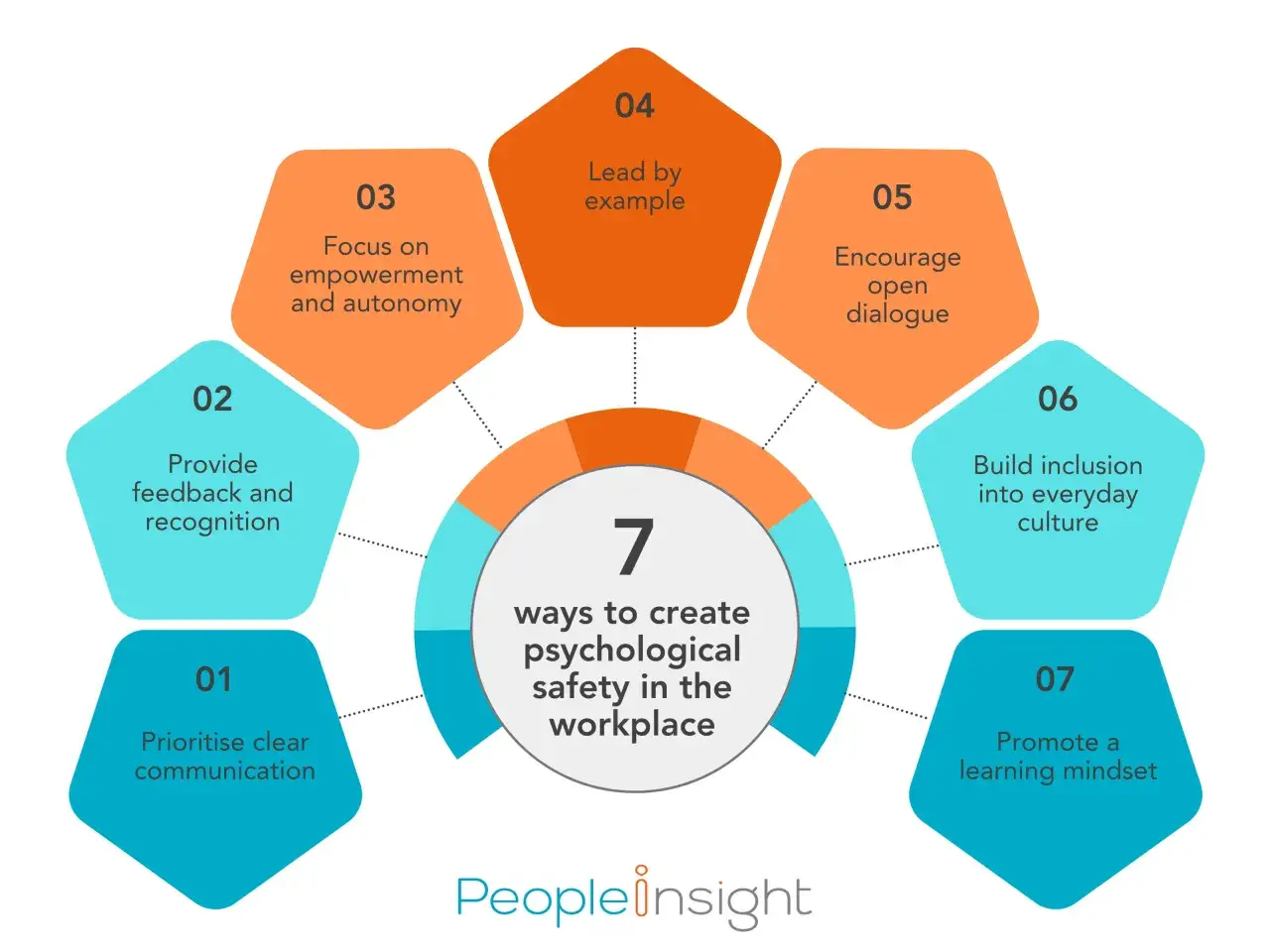
The habits that build it day to day
The fastest way to damage confidence is to ask for honesty and then punish the answer. The fastest way to build it is to respond to difficult information with curiosity, consistency, and follow-through.
- Respond to bad news calmly. If a manager reacts with anger or sarcasm, people stop reporting problems early.
- Explain decisions. Even unpopular choices are easier to accept when people understand the trade-offs behind them.
- Keep promises on timing. If you say you will come back by Friday, come back by Friday, even if the answer is partial.
- Make dissent visible. In meetings, ask who sees a risk or a missing angle, then make room for that answer.
- Close feedback loops. If people raise an issue, tell them what happened to it, not just that you heard it.
- Protect boundaries. Constant urgency is not a culture strategy; it is a trust tax.
I do not mean leaders should avoid hard calls. I mean hard calls should be explained, not hidden, because secrecy creates rumours faster than any formal memo. When a team can see the reasoning, confidence survives even unpopular choices. In the UK, the easiest way to make those habits stick is to connect them to the wellbeing and stress controls that employers are already expected to take seriously.
How UK employers can turn wellbeing duties into practical routines
In the UK, this discussion is not just cultural. Employers are expected to do what is reasonably practicable to protect health, safety, and wellbeing, which means culture only improves when good intentions become routine action. The question is not whether people care; it is whether the system makes it easy for them to speak up, get help, and keep working safely.
| Work design area | What to look for in a trust-building culture |
|---|---|
| Demands | Workload is discussed before people become exhausted or start hiding problems. |
| Control | People have some say over how they organise their work and manage their time. |
| Support | Managers give help, coaching, and resources instead of only issuing instructions. |
| Relationships | Bullying, disrespect, and repeated conflict are addressed early and consistently. |
| Role | People know what they are responsible for and where decisions sit. |
| Change | Organisational change is explained early, with space for questions and pushback. |
That six-part framework is useful because it stops leaders from reducing trust to a vague “people issue”. It gives you something concrete to inspect: work design, support, roles, and how change is handled. The HSE’s 35-question Stress Indicator Tool can help with that diagnosis, and the extra questions for people who work partly or fully from home are especially useful when hybrid working is part of the picture.
Where trust usually breaks down
Trust rarely collapses in one dramatic event. More often, it erodes through repeated small signals that tell people their voice is not really wanted.
- Surprise changes. If people learn about shifts, priorities, or restructures late, they assume they are being managed, not respected.
- Different rules for different people. Nothing damages fairness faster than visible exceptions for favourites or senior staff.
- Public correction. When leaders embarrass people in front of others, they train the whole team to stay quiet.
- Slow follow-up. If concerns vanish into a black hole, speaking up feels pointless.
- Over-monitoring remote staff. Tracking activity without offering support tells people they are suspected, not trusted.
- Wellbeing language without workload fixes. Saying “take care of yourself” while keeping impossible deadlines is a credibility problem.
These failures are expensive because they do not look dramatic at first. They look like silence, late disclosure, and rising effort spent on self-protection. Once that pattern starts, the next practical question is whether you are measuring the right things, or simply assuming the culture is improving because no one is complaining loudly.
How to measure whether culture is actually improving
I would not measure trust with one annual survey and call it done. That gives you a headline, not a diagnosis. The better approach is to combine a few signals so you can see whether confidence is becoming real or just polite.
| Metric | What it tells you | Limitation |
|---|---|---|
| Speaking-up rate | Whether people are willing to raise concerns before they escalate. | A rise can be good news if people believe action will follow. |
| Time to close issues | Whether the organisation responds quickly enough to be credible. | Slow resolution can make even willing employees stop trying. |
| Absence and stress patterns | Whether workload, conflict, or uncertainty are starting to show up physically. | These numbers need context; they are symptoms, not the whole story. |
| Turnover and exit themes | Whether people are leaving because they no longer trust the working environment. | Exit interviews only help if people feel safe enough to be honest. |
| Meeting quality | Whether people ask questions, challenge assumptions, and contribute openly. | Quiet meetings can mean focus, but they can also mean fear. |
What I look for is triangulation. If pulse comments, manager conversations, and turnover themes all point in the same direction, you are seeing the culture clearly. If the numbers look fine but people are careful, guarded, or evasive in conversation, the surface is telling you less than the room underneath.
What I would fix first in a team that has lost confidence
If a team has become cautious, I would not start with a slogan campaign. I would start with visible proof that honesty gets a useful response.
- Pick one recurring problem and solve it publicly so people can see that speaking up changes something.
- Write down how concerns are raised, who owns the response, and how long people should expect to wait.
- Ask managers to stop correcting small mistakes in public.
- Remove one source of unnecessary uncertainty, such as late rota changes or unclear priorities.
- Review what the team rewards most often: speed, silence, or thoughtful honesty.
If I had to reduce the whole subject to one line, it would be this: confidence is what people feel when they have repeated evidence that speaking honestly will not make their work or their dignity less secure. That is what turns culture from a statement into a system, and it is the part worth fixing first.