
The fastest way to use this reading list is to match each book to the problem you are actually trying to solve.
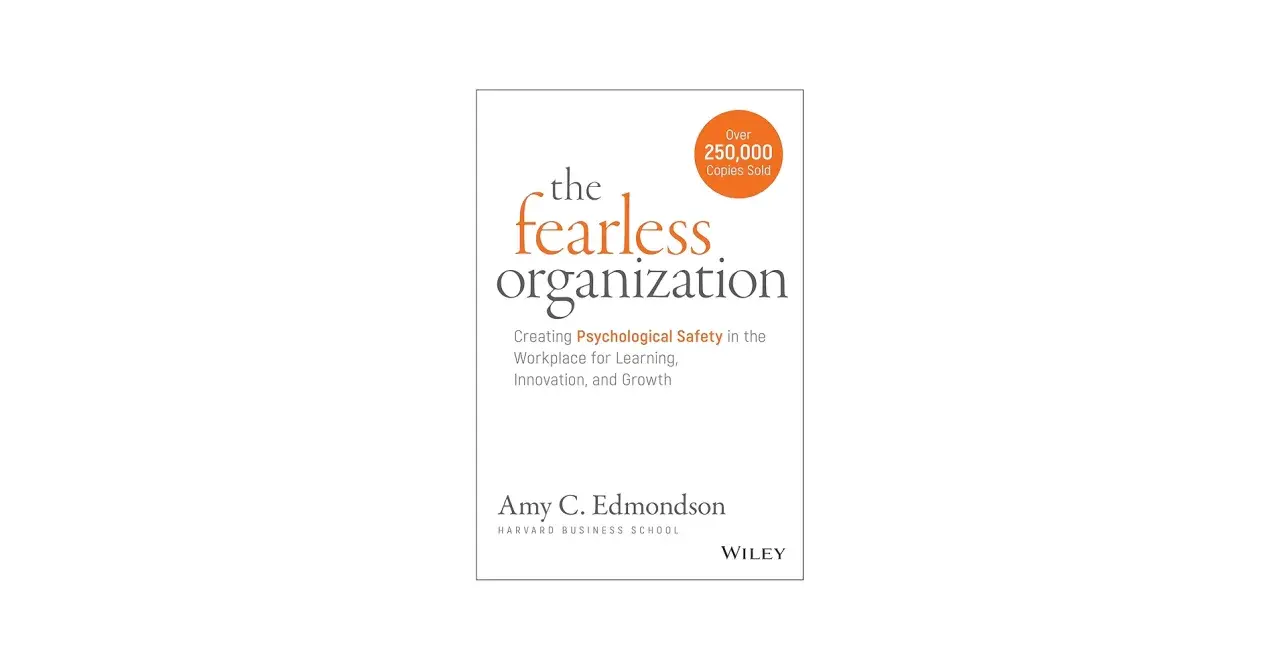
- The Fearless Organization is the clearest direct introduction to psychological safety at work.
- The 4 Stages of Psychological Safety gives you a practical framework for moving from inclusion to challenge.
- Radical Candor, Crucial Conversations, and Thanks for the Feedback are the most useful day-to-day conversation books.
- Right Kind of Wrong is the strongest follow-up when fear of mistakes is the real issue.
- Dare to Lead and The Culture Code are best when trust, cohesion, and leadership tone need attention.
- For UK teams, the bigger risk is often polite silence rather than open conflict.
Why workplace culture needs more than encouragement
I think of psychological safety as the conditions that make truth easier to say. People should be able to disagree, ask for help, flag risk, or admit they are stuck without being humiliated for it. That matters because culture is not defined by values posters; it is defined by what happens after someone speaks up.In many UK teams, the failure mode is not loud conflict. It is a quiet room, followed by private doubts, delayed escalation, and feedback that arrives after the damage is done. The right reading can help, but only if it leads to different meeting habits, cleaner feedback, and a better response to bad news. That is why I prefer books that move from concept to conversation, because culture changes when the next meeting sounds different.

The books I would start with and why
When I recommend reading on this topic, I separate the books by job, not by popularity. Some titles explain the concept, some fix the conversations around it, and some show how trust becomes visible in daily work. The best mix gives you both language and behaviour.
| Book | What it does best | When I recommend it |
|---|---|---|
| The Fearless Organization by Amy C. Edmondson | The clearest direct introduction to psychological safety at work. | Start here if you want the concept, the evidence, and the leadership implications in one place. |
| The 4 Stages of Psychological Safety by Timothy R. Clark | A simple framework for moving from belonging to challenge. | Best when you need a usable model for teams, workshops, or culture change work. |
| Right Kind of Wrong by Amy C. Edmondson | Shows how to think about mistakes without turning failure into shame. | Useful when the team is too cautious, too defensive, or too frightened to experiment. |
| Radical Candor by Kim Scott | Makes feedback direct, human, and practical. | Good for managers who want to challenge performance without creating fear. |
| Crucial Conversations by Kerry Patterson, Joseph Grenny, Ron McMillan, Al Switzler, and Emily Gregory | Helps people handle high-stakes conversations that tend to be avoided. | Strong when tension, disagreement, or accountability talks keep getting postponed. |
| Thanks for the Feedback by Douglas Stone and Sheila Heen | Helps people receive criticism without becoming defensive. | Useful when the team can give feedback but struggles to hear it well. |
| Dare to Lead by Brené Brown | Connects vulnerability, courage, and leadership in a clear way. | Best when the issue is leadership tone, trust, and willingness to show up honestly. |
| The Culture Code by Daniel Coyle | Explains how cohesion, belonging, and shared purpose support strong teams. | Good when you need a broader culture lens, not just a speaking-up lens. |
If I had to reduce the shelf to a starter pack, I would pair one direct book with one conversation book and one culture book. That combination gives you theory, language, and a way to spot whether the team actually behaves differently.
How to choose the right book for your role
I would not give every reader the same title. The right choice depends on whether the bottleneck is leadership tone, peer-to-peer feedback, or the team’s tolerance for disagreement. Matching the book to the role makes the reading practical instead of aspirational.
For managers and team leads
Start with The Fearless Organization and Radical Candor. The first explains why people stay quiet; the second shows how to give feedback without creating fear. If you only read one pair, this is the most useful combination for day-to-day management.
For HR and L&D teams
The 4 Stages of Psychological Safety gives you a clean framework for training, while Right Kind of Wrong helps you build a healthier relationship with mistakes. That pairing works well when you need both language and implementation.
For individual contributors
Crucial Conversations and Thanks for the Feedback are the most useful if your problem is not strategy but everyday interaction. They help you ask sharper questions, resist defensive habits, and stay effective when the conversation is tense.
For senior leaders
Dare to Lead and The Culture Code are strongest when the issue is tone from the top. They are less about scripts and more about how leaders shape trust, belonging, and the emotional climate of the organisation.
That role-based split matters because psychological safety is experienced locally, not abstractly; the next step is turning those ideas into repeatable habits.
How to turn reading into safer behaviour
Reading creates vocabulary. Habits create culture. The useful part is translating a chapter into a meeting rule, a feedback ritual, or a different response to bad news.
- Pick one recurring situation. Start with the place where silence is most costly, such as team meetings, retrospectives, one-to-ones, or project handovers.
- Add one question that invites dissent. I often use variations of “What are we missing?”, “What feels risky here?”, or “Who sees it differently?”
- Change the first response. When someone speaks up, thank them, summarise what you heard, and ask for an example instead of moving straight to correction.
- Close the loop quickly. If a concern is raised, respond within 48 hours so people can see that speaking up leads somewhere.
- Track something visible. Count early risk flags, useful objections, follow-up actions, or ideas raised by quieter voices. If nothing changes, the book is still just a book.
If I were rolling this out, I would run a 30-day experiment: one book, one team ritual, one observable metric. That is usually enough to show whether the reading changed behaviour or merely sounded good. Once that is clear, it becomes easier to be honest about what these books can and cannot do.
Where these books help and where they stop working
These books are most useful when the problem is fear, defensiveness, or a habit of staying silent. They are less useful when the real blocker is something structural that reading alone cannot fix.
- They help when people are quiet because they expect embarrassment, retaliation, or being labelled difficult.
- They help when feedback is too soft, too late, or too vague to improve performance.
- They do not help when the real issue is chronic overload, broken incentives, or poor line management.
- They do not help if leaders ask for candour but punish the messenger.
- They are not a replacement for policy, workload review, or structural change.
That is the real limitation: these books can change how people speak and listen, but they cannot fake trust or repair a culture that keeps rewarding silence. Once you accept that boundary, the reading path becomes much clearer.
A reading path for UK teams that want change, not just ideas
For a UK management team, I would keep the first pass simple. Start with The Fearless Organization to align on the problem, add Crucial Conversations or Radical Candor to improve day-to-day dialogue, and then choose either The 4 Stages of Psychological Safety or Right Kind of Wrong depending on whether your bigger issue is inclusion or learning from mistakes.
- Read one core book together, not five.
- Pick one behaviour to change in meetings.
- Use one debrief question for four weeks.
- Decide what visible sign will tell you the culture is improving.
If I were buying only three titles, I would choose one direct book, one conversation book, and one culture book. The test is simple: people should speak earlier, challenge more cleanly, and recover from mistakes without hiding them.
